
Transfer on Death (TOD) Accounts: Pros, Cons, and How They Help Avoid Probate
This week we’re talking about probate and how adding a Transfer on Death (TOD) beneficiary designation to certain assets can help those assets avoid probate. This can speed up and simplify the process of settling your estate — but it may also create unintended consequences if not planned properly.
In this article, we’ll cover:
What a Transfer on Death designation is
What assets you can use it for
The pros and cons
How to set one up
Whether TOD accounts really avoid probate
Before we begin, it’s important to note that this is not legal advice and is intended for informational purposes only. You should always consult with an estate planning attorney when making legal decisions regarding your estate.
What Is a Transfer on Death (TOD) Designation?
A Transfer on Death (TOD) account allows you to name a beneficiary who will automatically inherit the account when you pass away.
You may also hear TOD accounts called:
Payable on Death (POD)
Totten Trust
Beneficiary Designation Account
These are typically used for accounts that do not normally include beneficiary designations when opened.

What Assets Can Have a TOD or POD Designation?
Many financial accounts already allow beneficiaries, such as:
Retirement accounts (IRAs, 401(k)s)
Life insurance policies
Annuities
However, TOD/POD designations are commonly used for:
Bank accounts
Brokerage accounts
Mutual fund accounts
Money market accounts
Non-retirement investment accounts
These accounts normally do not require beneficiary designations when opened, but you can usually add a TOD or POD designation afterward.
TOD vs Joint Tenants With Rights of Survivorship
Some people instead add a child or spouse as a joint tenant with rights of survivorship to avoid probate. However, this comes with risks.
When someone is a joint owner:
They have 100% access to the account
They can withdraw money without your permission
The account could be affected by:
Lawsuits
Divorce
Bankruptcy
A TOD designation avoids these issues because:
The beneficiary has no access while you are alive — they only inherit the account when you pass away.
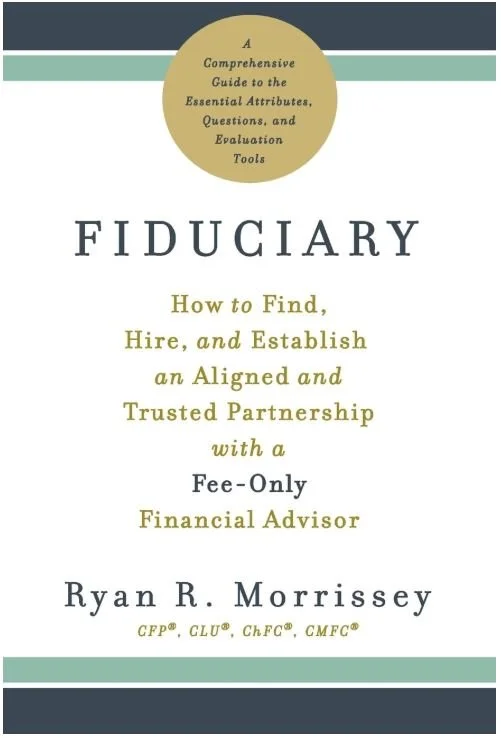
Click here to get your FREE electronic copy of:
Fiduciary - How to Find, Hire, and Establish an Aligned Trusted Partnership with a Fee-Only Financial Advisor
Pros of Transfer on Death Accounts
1. Beneficiaries Don’t Have Access While You’re Alive
This protects the account from misuse or legal issues involving the beneficiary.
2. Beneficiaries Receive a Full Step-Up in Cost Basis
This is a major tax benefit.
Example:
You bought stock for $20,000
It’s worth $300,000 when you pass away
Your beneficiary’s new cost basis becomes $300,000
If they sell shortly after inheriting, little or no capital gains tax may be owed
If instead you added them as a joint owner, they may only receive a partial step-up, which could result in significant capital gains taxes.
3. Assets Transfer Quickly
Typically, the beneficiary only needs:
A death certificate
A claim form from the financial institution
Assets often transfer within 1–2 weeks, compared to months or even a year through probate.
4. Helps Avoid Probate
TOD and POD accounts generally bypass probate and go directly to the named beneficiary.
This can:
Save time
Reduce legal costs
Simplify estate settlement
Cons of Transfer on Death Accounts
1. Beneficiary Gets Full Access Immediately
This may be a problem if:
The beneficiary is bad with money
The beneficiary has creditors
The beneficiary receives government benefits
You want the money distributed over time
In these situations, a trust may be more appropriate.
2. TOD Designations Override Your Will
This is very important.
Beneficiary designations always override your will.
If your will says assets are split evenly but your TOD accounts are not, the TOD instructions win.
Your estate plan must be coordinated.
3. Who Pays Expenses?
If all assets transfer directly via:
TOD accounts
Retirement beneficiaries
Life insurance beneficiaries
Then your estate may have no assets left to pay:
Funeral expenses
Debts
Taxes
Probate costs
Estate taxes
This can create family conflicts or complications.
4. Assets May Not Be Distributed Equally
Example:
One child inherits IRA
One child inherits TOD brokerage account
If one account grows faster than the other, inheritances may become unequal.

Prefer to listen to my podcast episode on this topic? Click here
5. What If Your Beneficiary Dies Before You?
If a beneficiary dies before you and you don’t update the designation:
The TOD may become invalid
The account may go to your estate
The asset may end up going through probate
Always review beneficiary designations regularly.
How to Set Up a TOD Account
Setting up a TOD designation is usually simple.
Steps:
Contact your financial institution
Request a TOD or POD beneficiary form
Complete the form or submit online
Name primary and contingent beneficiaries
Submit the form
Confirm the designation is on file
Many firms allow this online, including major brokerage firms.
One reason TOD accounts are sometimes called “the poor man’s will” is because they are simple and inexpensive to set up.
Can TOD Designations Avoid Probate?
First, let’s define probate:
Probate is the court-supervised process of settling a deceased person’s estate by validating their will, paying debts and taxes, and distributing remaining assets to beneficiaries.
Do TOD Accounts Avoid Probate?
Yes — TOD and POD accounts typically avoid probate because they transfer directly to beneficiaries.
However, whether an entire estate avoids probate depends on:
State laws
Estate size
Whether property is involved
Whether all assets have beneficiaries
Whether trusts are used
Some states allow Transfer on Death deeds for real estate, while others do not.
If real estate cannot have a TOD deed, it often must go through probate unless held in a trust.
Final Thoughts
Transfer on Death designations can be a very useful estate planning tool because they can:
Avoid probate
Transfer assets quickly
Provide a full step-up in cost basis
Simplify estate settlement
However, they can also create issues if:
Beneficiaries are not responsible
Your estate plan is not coordinated
Expenses and taxes are not planned for
Assets are not distributed evenly
TOD accounts should be part of a broader estate plan — not the entire plan.
Bottom Line
TOD accounts can be very helpful, but they should be coordinated with:
Your will
Your trust (if applicable)
Your retirement account beneficiaries
Your estate planning attorney
Your financial advisor
Proper planning ensures your assets go where you want, when you want, and in the most tax-efficient way possible.

Have a great week—and I’ll talk to you next Tuesday.
Written by Ryan Morrissey CFP®, CLU®, CHFC®, CMFC
Founder & Principal Advisor of Morrissey Wealth Management
Host of the Retire with Ryan Podcast