Recent Videos
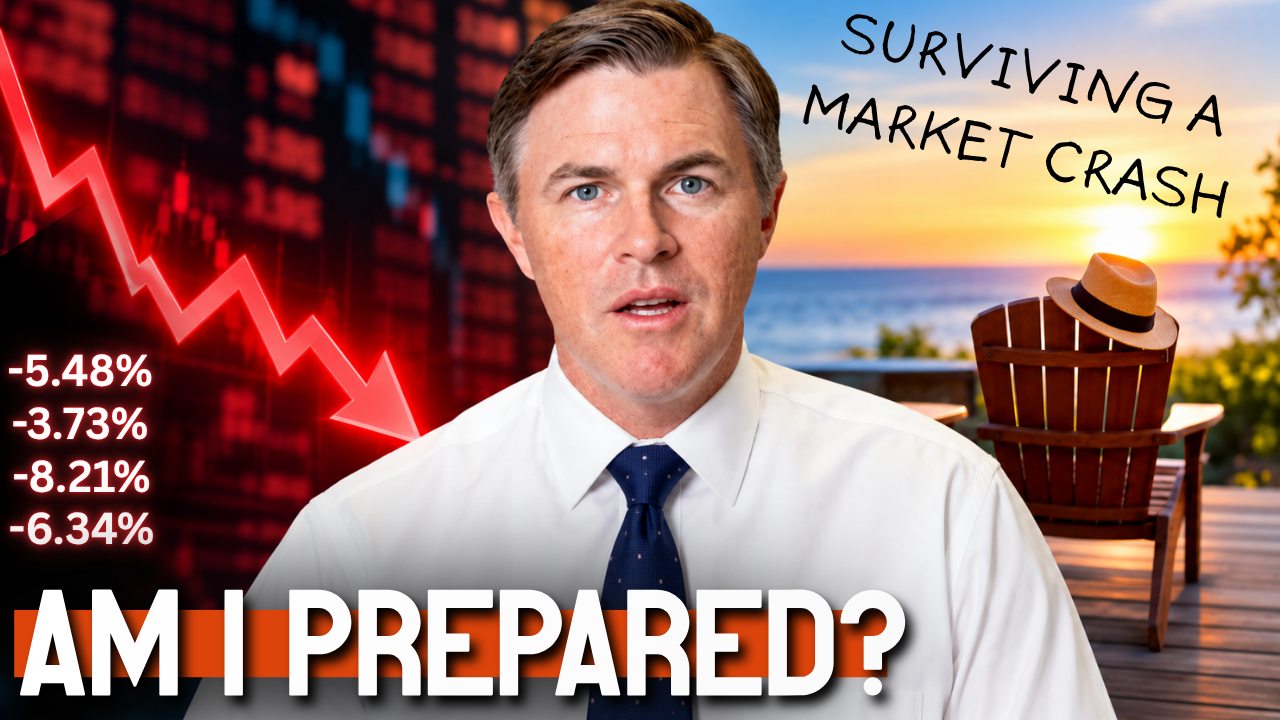
What If I Retire Right Before A Market Crash? #325 — Retire with Ryan
What should you do if the stock market crashes right after you retire? In this episode, I discuss what happens if you experience a major market decline in your early retirement years, explain the concept of sequence of return risk, and share a few strategies to safeguard your hard-earned nest egg and maintain peace of mind.
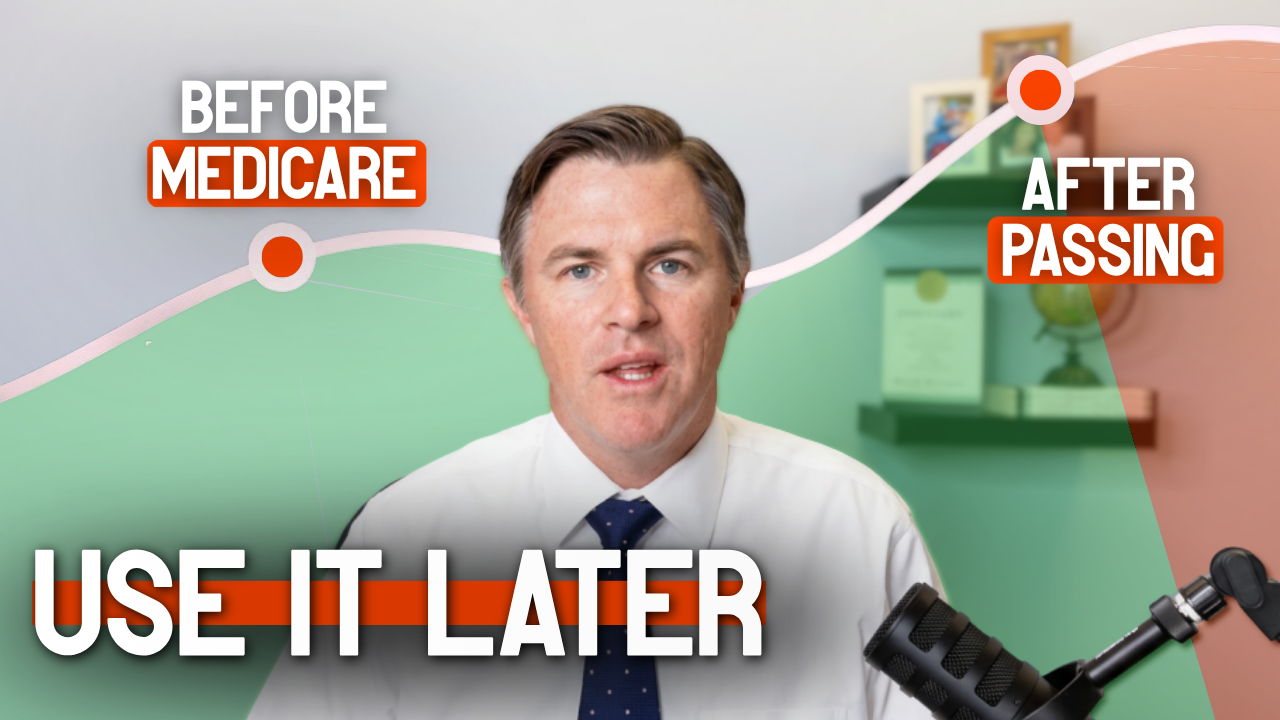
What Happens To My HSA When I Enroll In Medicare?
How much have you thought about Health Savings Accounts (HSAs) and what happens to them once you enroll in Medicare? Whether you’re nearing age 65, wondering if you can keep contributing to your HSA, or curious about how you can use your HSA funds in retirement, this episode covers it all. I explain the rules around HSA contributions after enrolling in Medicare, the types of medical expenses you can pay for tax-free, and what happens to your HSA if there’s still money in it after you pass away.

5 Tax Mistakes To Avoid In Your Initial Retirement Years
As you transition into retirement, tax planning might not be at the top of your to-do list—but overlooking it can lead to costly mistakes. This week, I break down the five biggest tax pitfalls new retirees face, from unexpected taxes on Social Security benefits to costly Medicare premium surcharges and missed Roth conversion opportunities. I’m also sharing a few of my favorite strategies to avoid unnecessary state taxes and manage your retirement distributions with confidence.
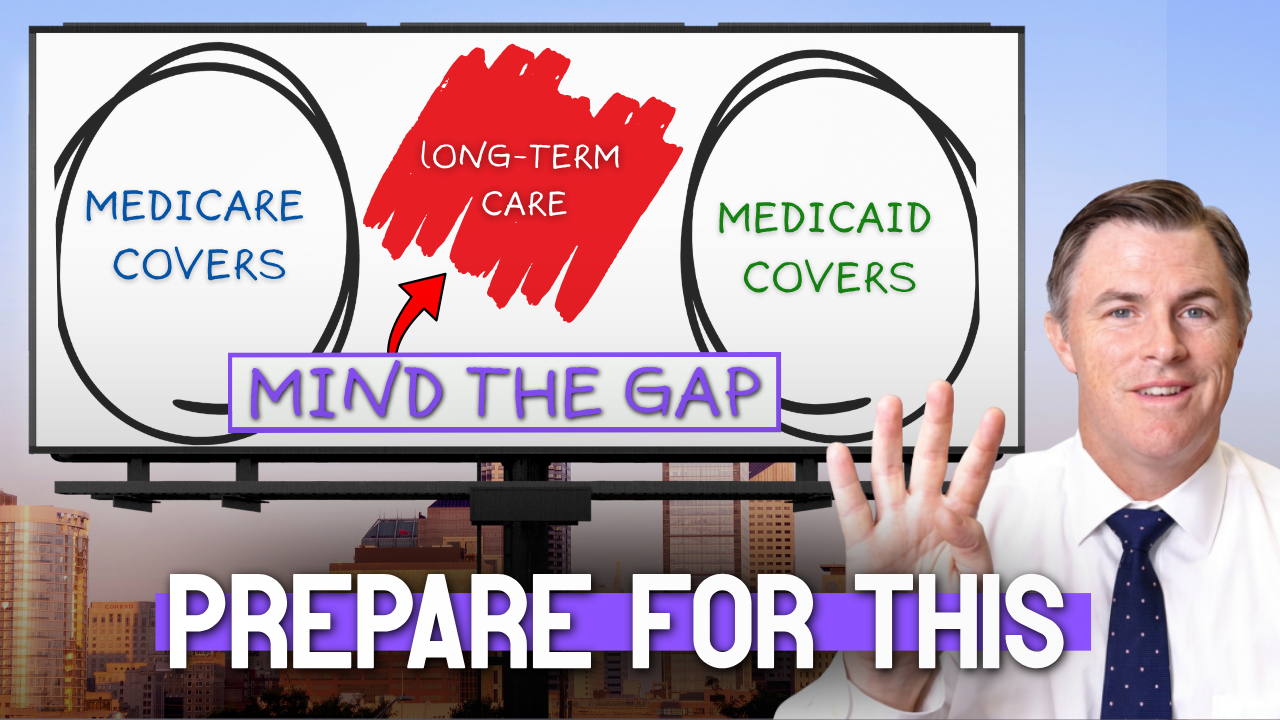
4 Best Options To Pay For Long-Term Care
Long-term care coverage is an essential, yet often misunderstood, aspect of retirement planning in the United States. Although many people will require some form of long-term care as they age, most are unprepared for the high costs and limited coverage options available. On the show this week, I’m debunking common myths like the notion that Medicare will fully cover all long-term care costs and taking a deep dive into the four main ways retirees can pay for these expenses.
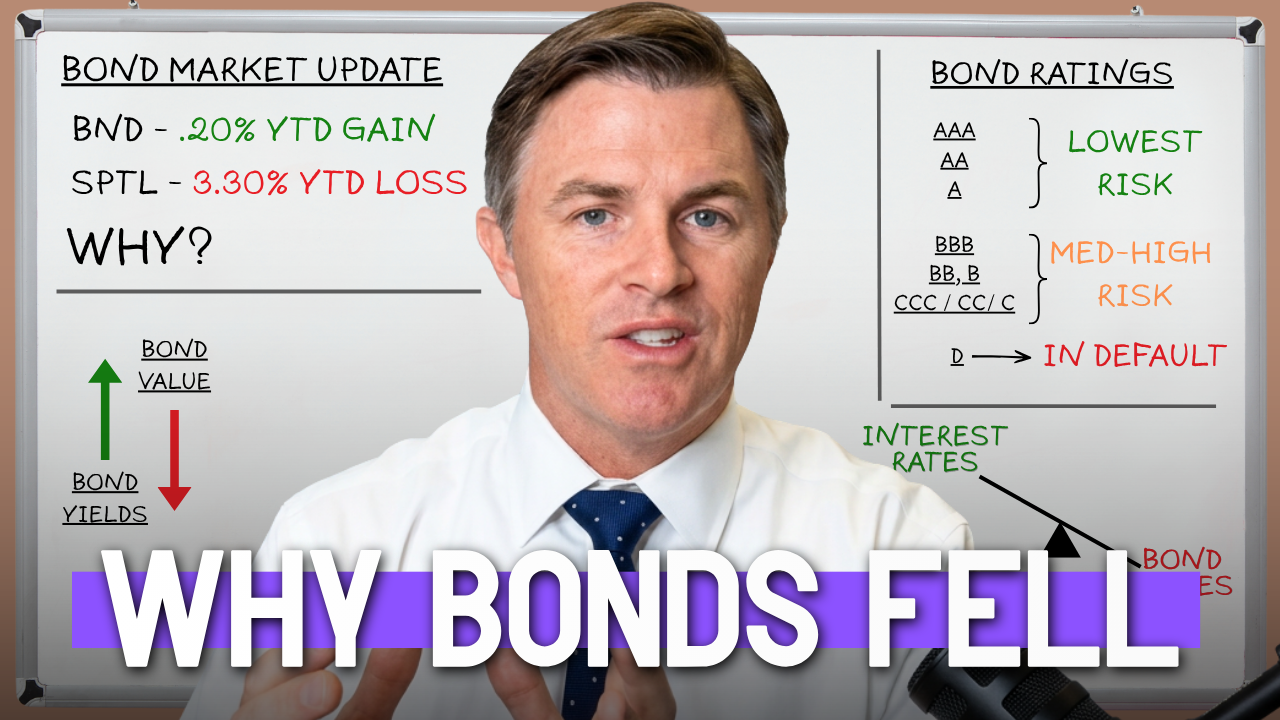
Are Bonds Still A Good Investment For Your Retirement Portfolio
On the show this week, I’m helping you understand why bond prices have been dropping, what actions investors should take, and whether bonds still have a place in a retirement portfolio. I discuss the different types of bonds and how interest rates impact bond prices. I also dig into the importance of maintaining a diversified portfolio and the role bonds can play in reducing overall volatility during retirement.
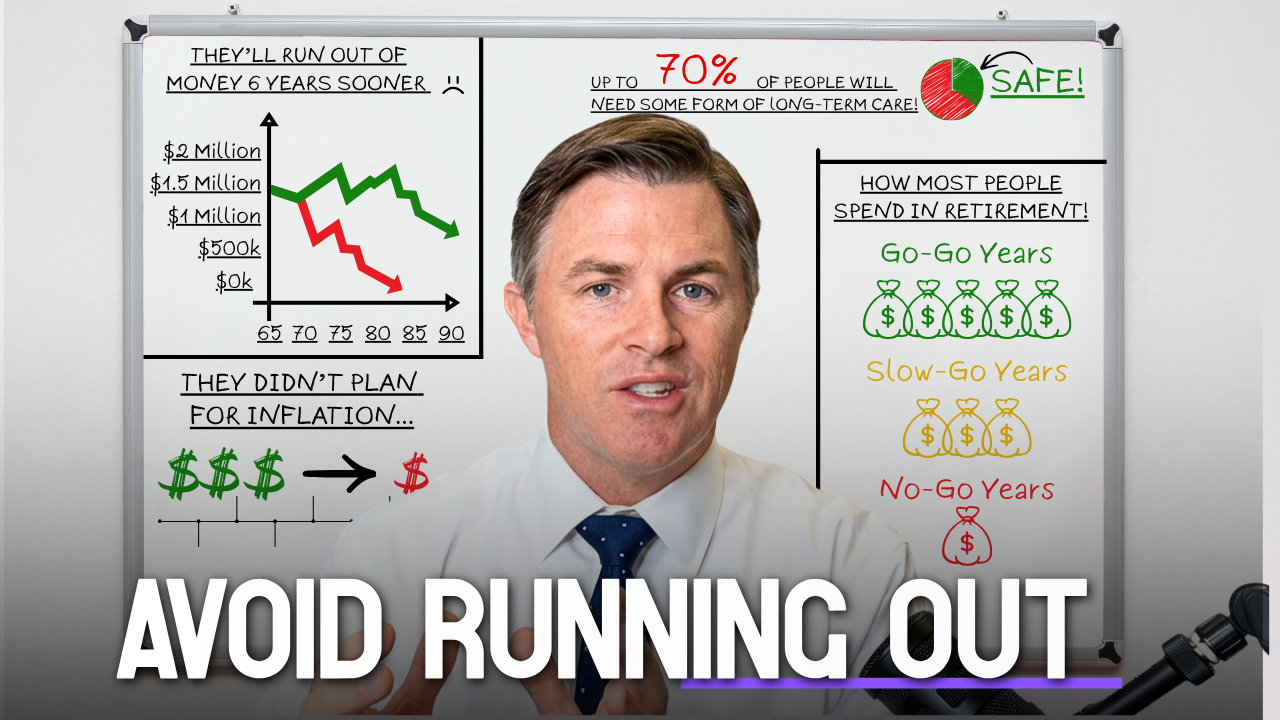
Top 5 Reasons Retirees Run Out Of Money
Retirement is often planned as the reward after decades of hard work—a time for travel, relaxation, and quality time with loved ones. But for many Americans, the anxiety of running out of money casts a long shadow over these golden years. Studies reveal that concerns about outliving savings are more prevalent than fears of dying prematurely. This week we’re discussing the five key reasons retirees run out of money and sharing practical steps you can take to secure your financial future.
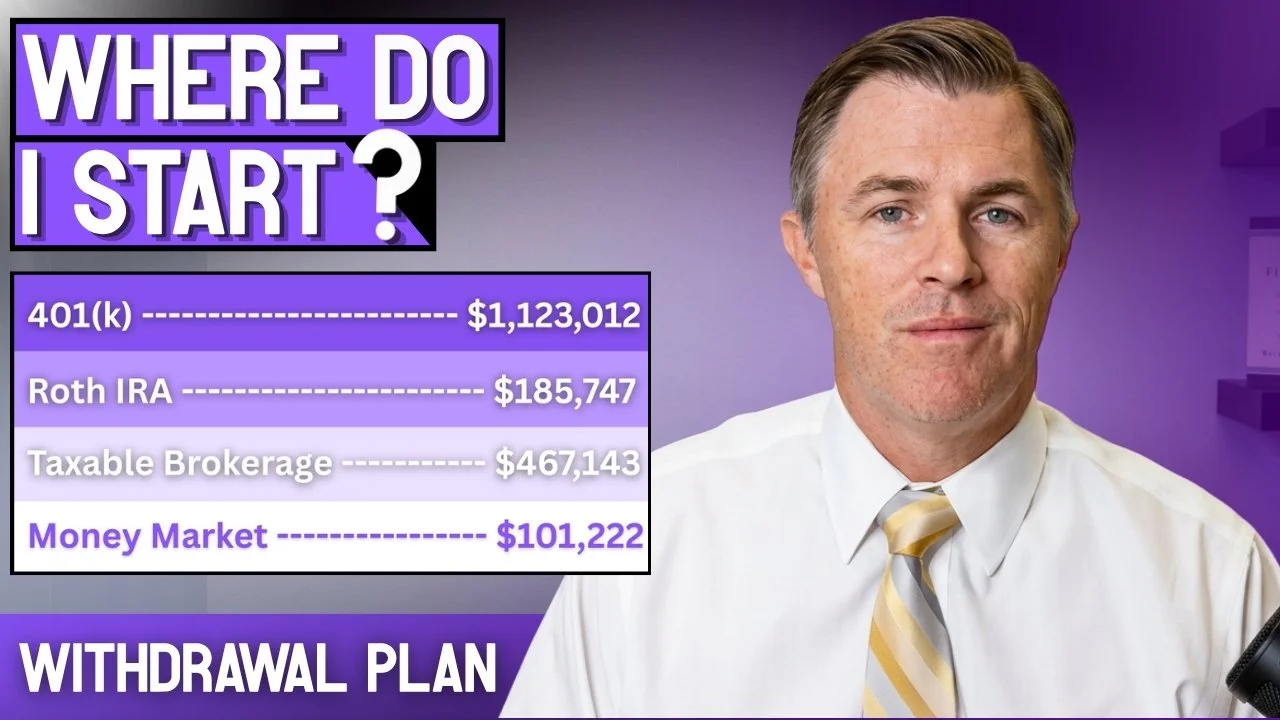
What Order Should I Start Withdrawing From My Investment Accounts In Retirement
When you’re moving into retirement, you’re most likely to be starting to ask yourself which investment accounts you should start drawing from first. There’s really no universal answer—retirement withdrawal strategies are deeply personal and situation-dependent. But understanding the implications of each account type and the factors that influence withdrawal order can have a massive impact on your tax burden and the longevity of your assets.
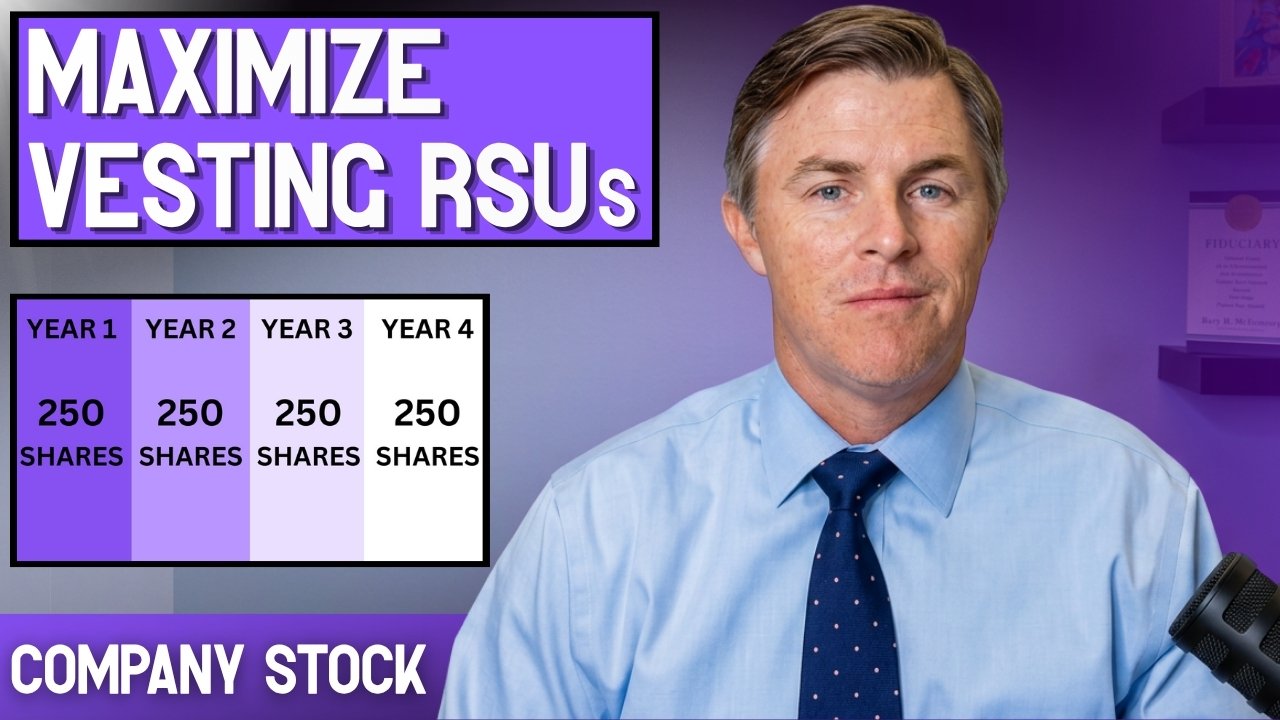
3 Ways To Make The Most of Your Restricted Stock Units
On the show this week, I answer a listener question about restricted stock units, or RSUs—what they are, how they're taxed, and the best strategies for managing them as they vest. I'll take an in-depth look at different types of vesting schedules, tax implications, and the practical choices you have when your RSUs become available. This episode is all about giving you clear guidance to help you make informed decisions about RSUs and making sure your retirement strategy is on the right financial track.
Accessing Your 401k Early With The Rule of 55
For lots of Americans, the idea of retiring before age 59½ often seems out of reach, particularly when the bulk of their savings sits in an employer-sponsored 401(k) or 403(b) plan. Traditionally, the tax code penalizes early withdrawals from these accounts. However, the Rule of 55 could open the door to a more flexible, penalty-free early retirement. On this episode, I’ll share more about this IRS provision, who qualifies, how to use it wisely, and potential hazards to avoid.

How To Avoid Taxes On The Sale Of Your Primary Residence
For many retirees, their home isn't just a place of comfort, it’s one of the largest assets on their balance sheet. However, beyond the emotional value and the years of accumulated equity, there's an often-overlooked reality: selling your primary residence can bring an unexpected tax bill. If you’re contemplating a sale or want to ensure you’re planning wisely, understanding the IRS’s primary residence capital gains exclusion is essential. On the show this week, I discuss what this exclusion means, who qualifies, how to maximize its benefits, and the critical planning steps to avoid a nasty tax surprise.

Give Your Child or Grandchild A Head Start On Retirement With a Trump Account
On July 4, 2026, a groundbreaking opportunity opened for parents and guardians aiming to give their children a head start on their financial journey: Trump Accounts. Created as part of the OBBA Tax Act (“One Big Beautiful Bill” Tax Act) of 2025, these tax-advantaged investment vehicles provide a unique way to grow wealth for minors. In this episode, I break down what Trump Accounts are, who’s eligible for generous bonuses, how to get started, and how they compare to other common savings options like 529 plans.
Avoid These 7 Scenarios to Keep Your Medicare Premiums Lower In Retirement
Medicare brings peace of mind to millions of retirees, but for those with higher incomes, there’s an added layer of complexity called IRMAA—the Income Related Monthly Adjustment Amount. If your modified adjusted gross income (MAGI) crosses certain thresholds, you may end up paying substantially more for your Medicare Part B and Part D coverage. In this article, we break down how IRMAA works, outline common scenarios that may unexpectedly raise your premiums, and offer actionable strategies to help you avoid unnecessary costs during your retirement years.
Do Actively Managed Funds Perform Better Than Index Funds In Volatile Markets?
When it comes to planning for retirement, one of the most commonly faced decisions is how to invest for long-term growth and stability. In turbulent times, market volatility often generates renewed debate on whether index funds, or their actively managed counterparts, offer the better path for accumulating wealth. On this episode of the show, I’m unpacking what index funds are, how they stack up against actively managed funds, and what the latest data reveals about performance during both quiet and volatile markets.

Is Your Money Safe With Schwab or Fidelity?
This week, I’m tackling a question that’s on the minds of many investors: How safe is your money with major brokerage firms like Fidelity and Charles Schwab? In light of recent high-profile bank collapses and widespread concerns about financial security, I discuss how banks and brokerage firms operate differently, what protections exist for your investments, and what would happen if a major brokerage firm were to collapse. Whether you’re considering how best to safeguard your assets or wondering about the real risks of brokerage failures, this episode will provide the clarity and peace of mind you need for your retirement planning.
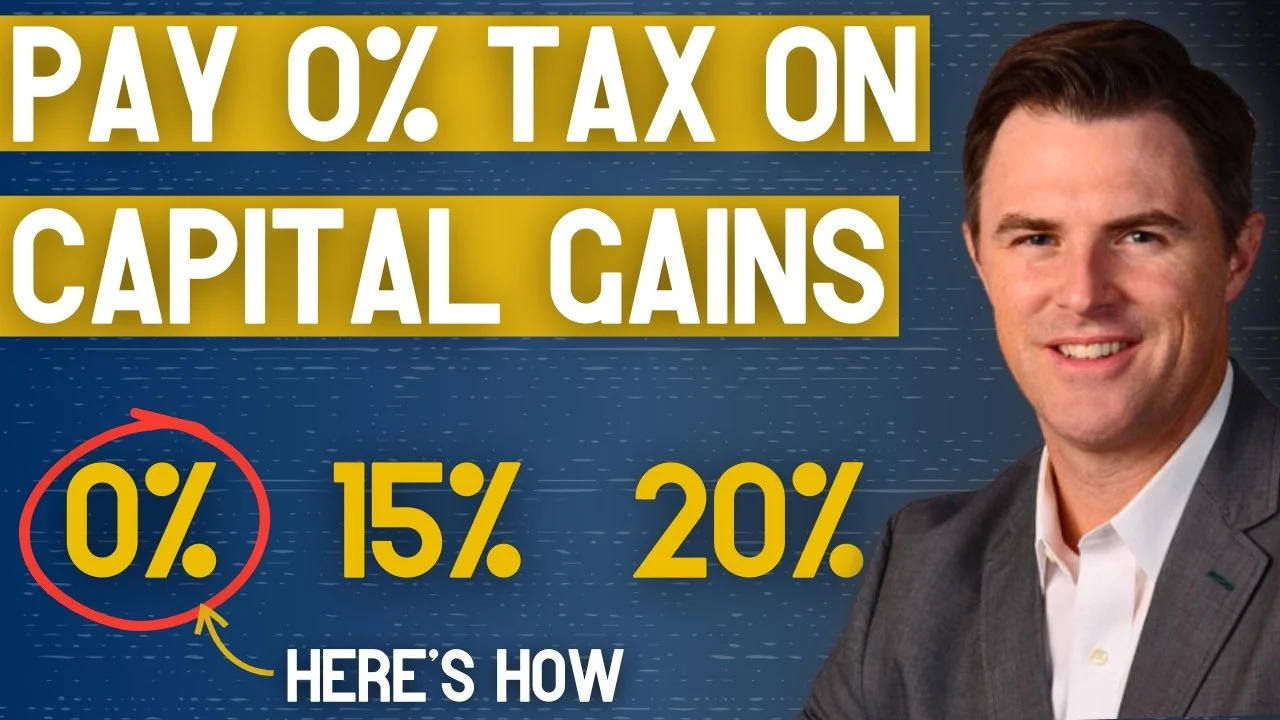
How To Make Your Brokerage Account Work Like A Roth IRA
When it comes to planning for retirement, Roth IRAs have gained widespread attention for their tax-advantaged status and the promise of tax-free withdrawals in retirement. Financial experts, YouTubers, and podcasters have been touting the benefits of contributing to or converting assets into Roth accounts for years. But an often-overlooked vehicle could empower you to manage your investments just as efficiently: the humble taxable brokerage account. Surprisingly, with the right strategy, you can even pay 0% capital gains tax, mirroring one of the biggest appeals of a Roth.
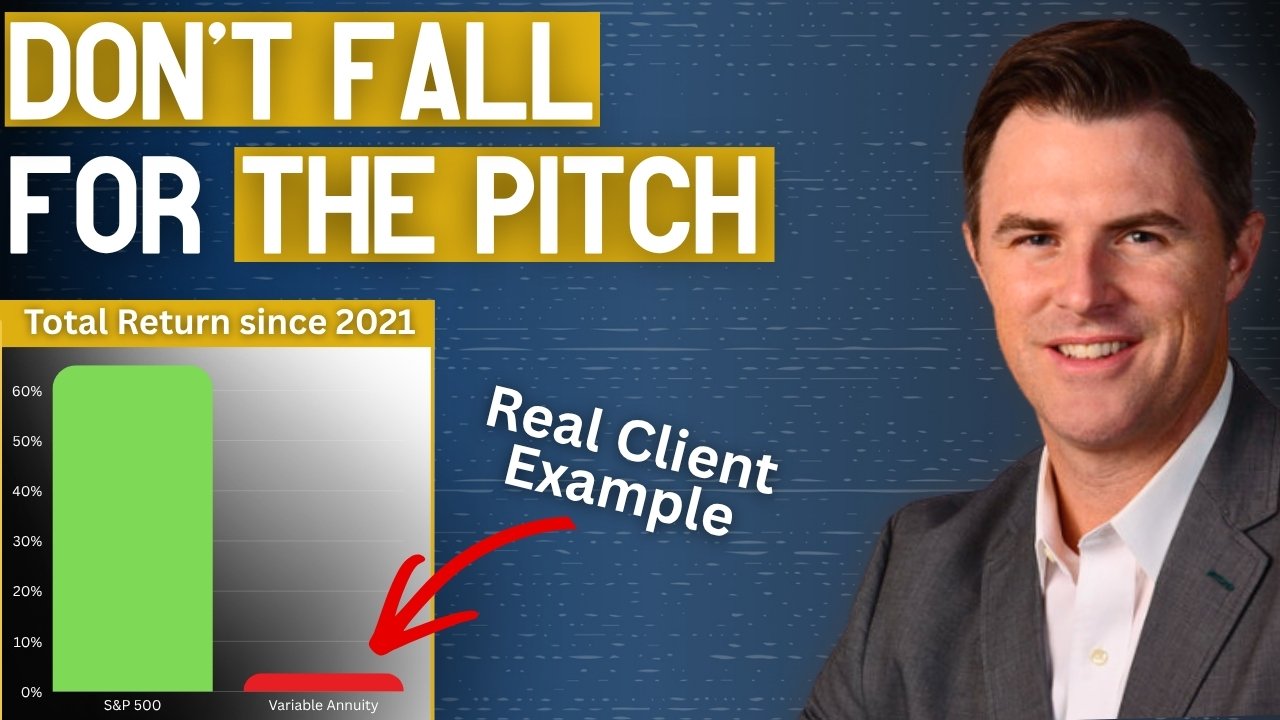
5 Reasons To Not Invest Your Retirement Savings In Variable Annuities
Variable annuities are often promoted as a secure way to generate guaranteed income during retirement, drawing the attention of retirees seeking stability for their nest eggs. But beneath the surface, these products frequently come with complications and costs that can erode your savings and limit your financial flexibility. In this episode, I share the details of the often-overlooked downsides of variable annuities and give you some important insights every investor should consider.
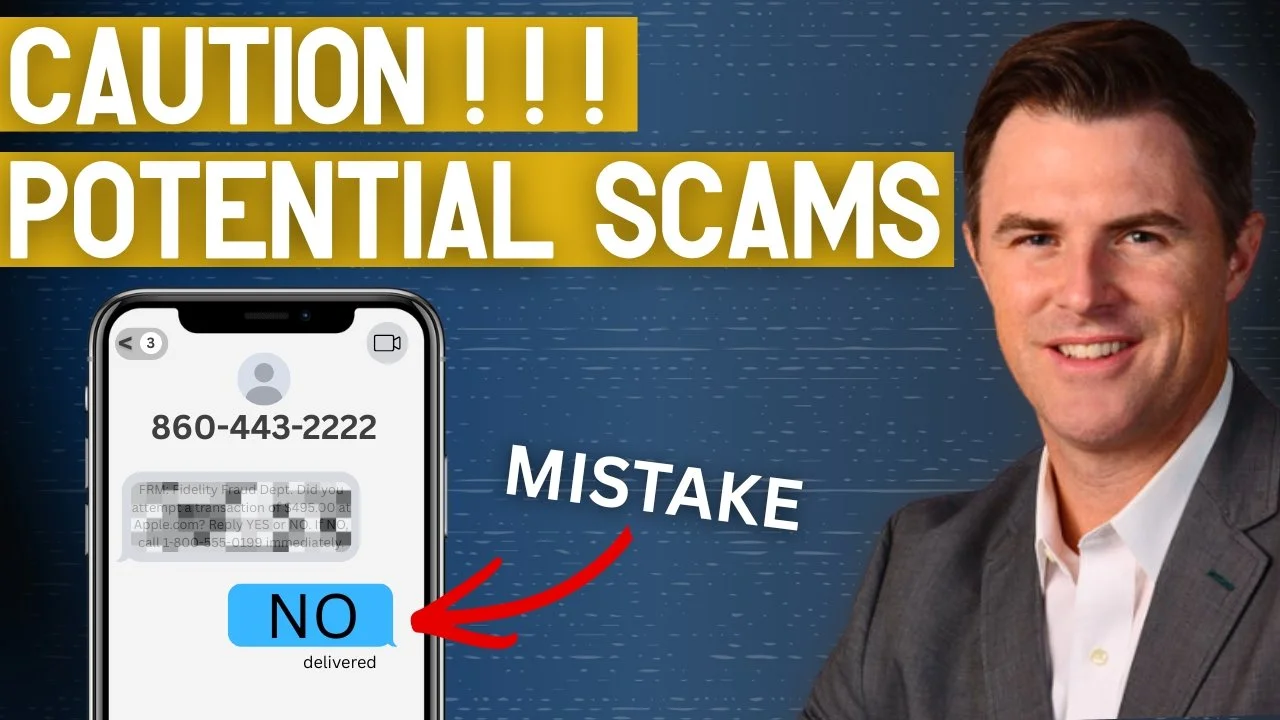
Avoid These 4 Scams To Protect Your Retirement Savings
This week, we tackle the alarming rise in financial scams targeting retirees and their hard-earned savings. With insights straight from the FBI and real-world examples of scam attempts, I break down the key tactics used by fraudsters and reveal the subtle ways they can gain access to your retirement accounts. From sophisticated account takeovers to fake invoice emails, you'll learn the warning signs to watch for—and, most importantly, practical strategies to protect yourself and your financial future.
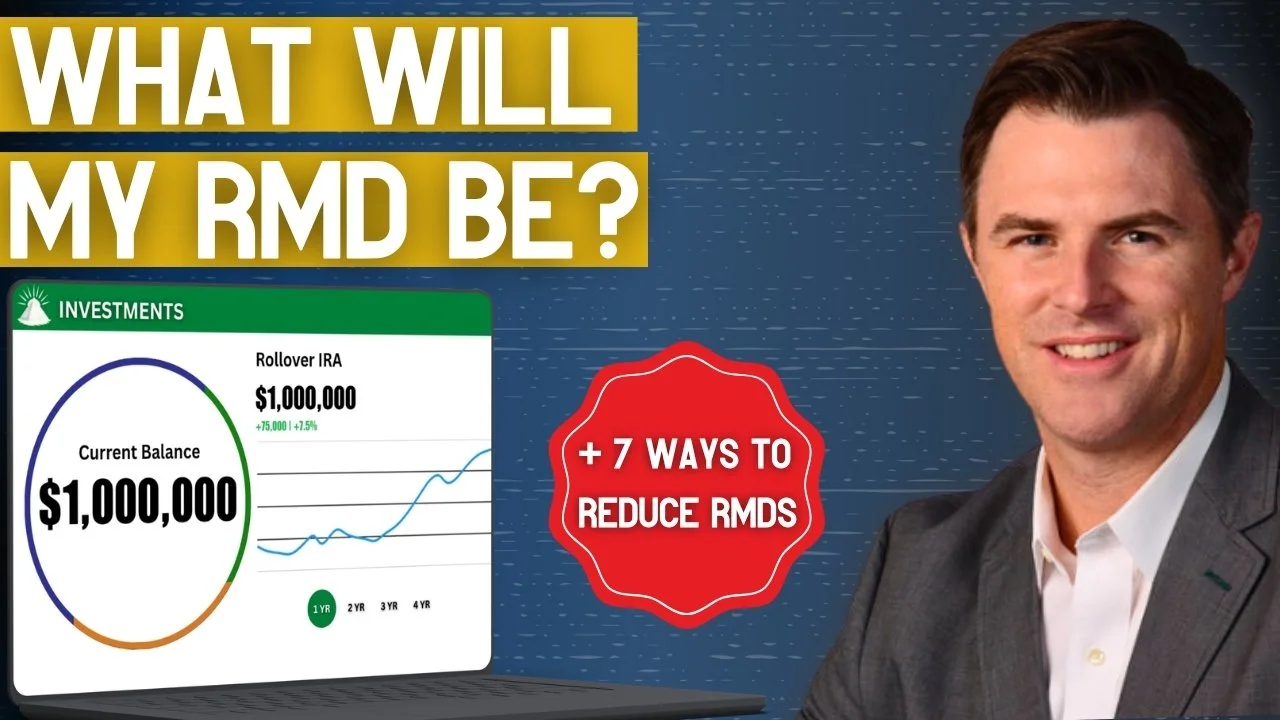
What Is The Required Minimum Distribution On A $1,000,000 Retirement Account
Retirement planning extends well beyond simply saving enough during your working years—it plays out with every decision you make once you stop working. One crucial, sometimes overlooked, aspect is managing Required Minimum Distributions (RMDs) from your retirement accounts. If you have a retirement account approaching your RMD age, this episode breaks down the essential rules based on your birth year, how to calculate your distribution using the IRS tables, and key tax implications to keep in mind.
You’ll also get actionable tips to help minimize your future RMDs, from optimizing your income plan and leveraging Roth conversions to using qualified charitable distributions.
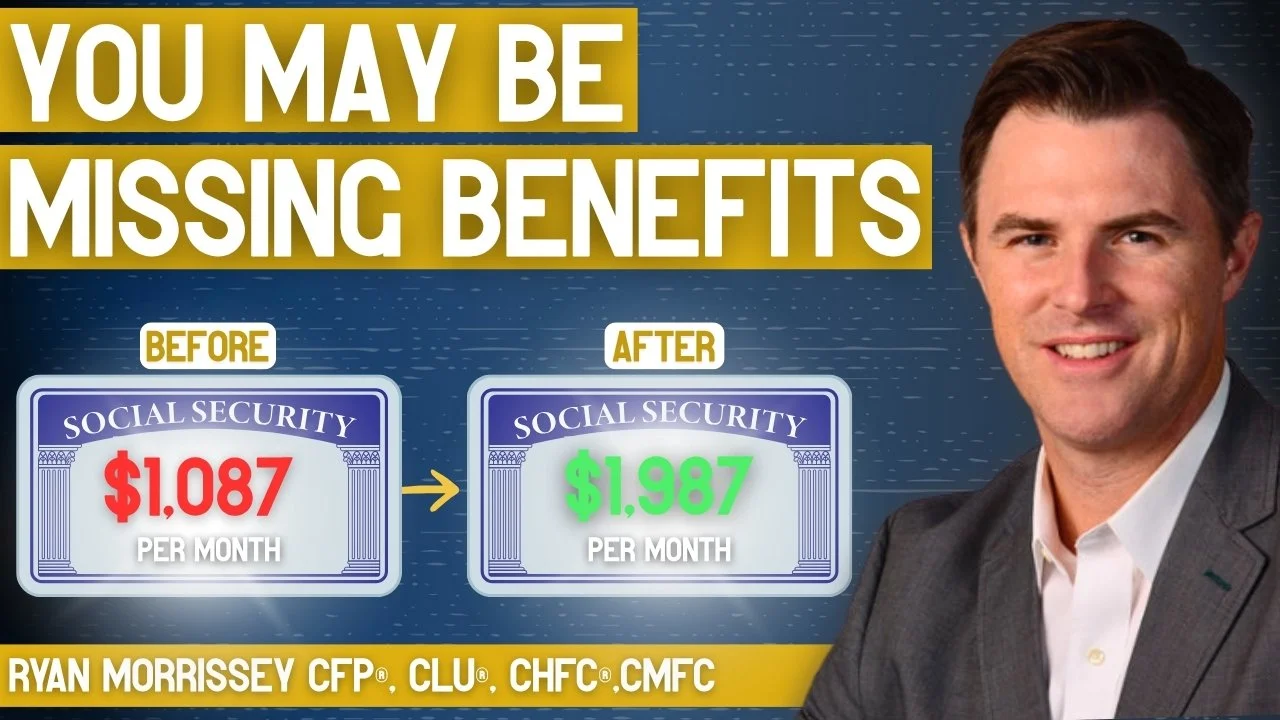
Are You Receiving Your Full Spousal Social Security Benefit?
Are you getting your full entitlement, spousal Social Security, or—like one of my recent clients—missing out on hundreds, even thousands, of dollars each year? This week, I discuss how spousal benefits work, what the eligibility requirements are, and the critical steps you need to take to ensure you aren't leaving money on the table. If you or your spouse are nearing retirement or already collecting benefits, this episode will equip you with the knowledge to maximize your Social Security income and avoid common mistakes.

Should Your Retirement Portfolio Be Investing Only In Dividend-Paying Stocks?
When many investors approach retirement, one of their most pressing questions is how their portfolio will generate the income needed to fund their lifestyle. It’s a common belief—often repeated by financial pundits and well-meaning friends—that you should simply “live off the dividends” from your investments. It sounds appealing: a steady stream of payments, without having to sell any shares, but relying solely on dividend-paying stocks in retirement can create hidden risks and may not be the best path to financial security. I explore what it actually means to live off dividends in retirement, the benefits and risks of relying on high-dividend-paying stocks or funds, and why diversification might be a smarter approach for long-term financial security.