
Filing a Tax Extension For 2025? 4 Costly Mistakes to Avoid
It’s officially tax season—and while many people are preparing to file their returns, others may need more time.
Filing a tax extension can be a smart move, especially if you:
Have a complex financial situation
Own a business
Are waiting on important tax documents
Want to avoid rushing and making mistakes
But here’s the key: a tax extension is often misunderstood—and if handled incorrectly, it can lead to penalties, interest, and unnecessary stress.
In this guide, we’ll break down the 4 most common tax extension mistakes and how to avoid them.
What Is a Tax Extension?
A tax extension gives you more time to file your tax return, typically moving your deadline from April 15 to October 15.
However—and this is critical—it does NOT give you more time to pay your taxes.

Mistake #1: Assuming You Don’t Need to Do Anything
One of the biggest mistakes taxpayers make is thinking that if they don’t file, the IRS will automatically grant them more time.
That’s not how it works.
If you want an extension, you must formally request it by filing Form 4868 with the IRS by the tax deadline (usually April 15).
If you fail to do this, you could face late filing penalties, even if you intended to file later.
How to Avoid This Mistake
File Form 4868 before the deadline
Submit it electronically or by mail
Keep confirmation for your records
Mistake #2: Thinking an Extension Gives You More Time to Pay
This is the most common misconception about tax extensions.
A tax extension only delays filing your return—not paying your taxes.
If you owe money and don’t pay by the original deadline:
Interest starts accruing immediately
You may face a failure-to-pay penalty
Penalties can compound over time
Potential Penalties
Failure-to-pay penalty: 0.5% per month (up to 25%)
Failure-to-file penalty: 5% per month (up to 25%)
How to Avoid This Mistake
Estimate your tax bill and pay by April 15
If unsure, overpay rather than underpay
Any excess will be refunded later
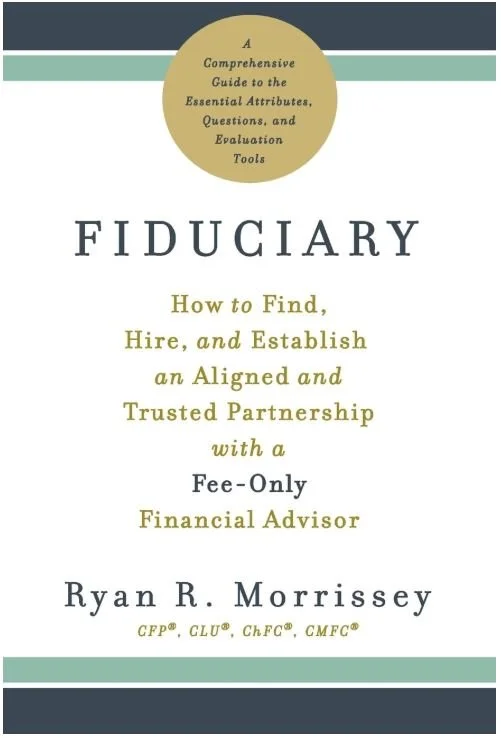
Click here to get your FREE electronic copy of:
Fiduciary - How to Find, Hire, and Establish an Aligned Trusted Partnership with a Fee-Only Financial Advisor
Mistake #3: Underestimating Your Tax Liability
When filing an extension, you’re required to estimate how much you owe.
If your estimate is too low, you could still face underpayment penalties and interest, even if you pay the full amount later.
IRS Safe Harbor Rules
To avoid penalties, you generally need to pay:
90% of your current year tax liability, OR
100% of last year’s tax liability
If your income is higher (AGI of $150,000 or more):
You must pay 110% of last year’s tax liability
When Estimation Errors Happen
Underpayment is more likely if you had:
Investment gains
A business income increase
A property sale
A Roth conversion
Large retirement withdrawals
How to Avoid This Mistake
Review last year’s tax return as a baseline
Factor in any major financial changes
Use IRS Form 1040-ES for estimates
Consider working with a tax professional
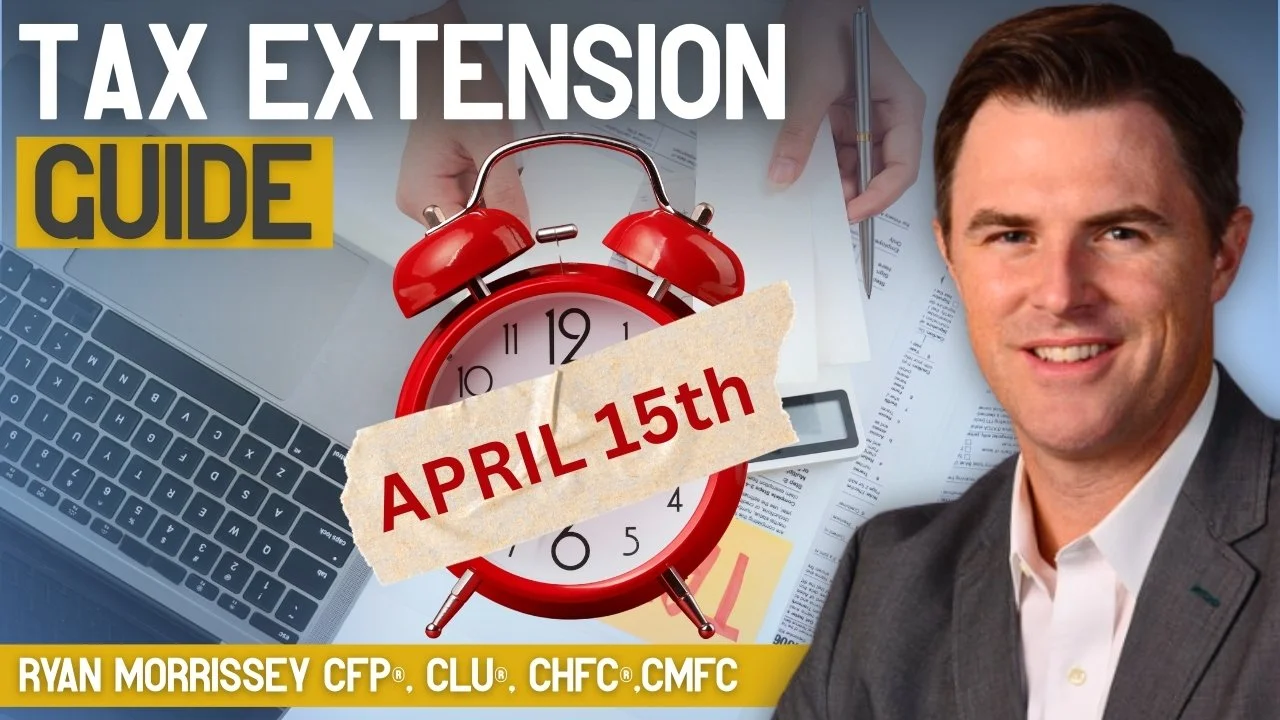
Click here to watch the video lesson on this topic: Available for free on the Retire With Ryan YouTube Channel!
Mistake #4: Ignoring State Tax Extension Rules
Many taxpayers assume that filing a federal extension automatically applies to their state taxes.
That’s not always the case.
Each state has its own rules, forms, and deadlines.
Examples:
Some states automatically accept federal extensions
Others require a separate state extension form
Many states still require payment by the original deadline
For example:
In Connecticut, an extension may be granted automatically only if no tax is owed
In New York, you must file a separate extension form (IT-370)
How to Avoid This Mistake
Check your state’s tax authority website
File a separate state extension if required
Pay any estimated state taxes on time
Key Takeaways: How to Avoid Tax Extension Penalties
If you’re planning to file a tax extension, keep these rules in mind:
✅ File your extension on time
Submit Form 4868 by April 15
✅ Pay what you owe
Extensions apply to filing—not payment
✅ Follow safe harbor rules
90% of current year taxes OR
100% (or 110% for high earners) of last year
✅ Don’t forget your state taxes
Federal and state rules are often different
✅ When in doubt, get help
A tax professional can help you avoid costly mistakes

Final Thoughts
Filing a tax extension can be a useful tool—but only if you understand how it works.
Handled correctly, it gives you time to:
Improve accuracy
Maximize deductions
Reduce errors
Handled incorrectly, it can lead to penalties, interest, and unnecessary costs.
If you’re unsure about your situation, it’s always a good idea to consult with a qualified tax professional to make sure you’re on track.
Have a great week—and I’ll talk to you next Tuesday.
Written by Ryan Morrissey CFP®, CLU®, CHFC®, CMFC
Founder & Principal Advisor of Morrissey Wealth Management
Host of the Retire with Ryan Podcast