
7 Common Tax Filing Mistakes to Avoid this tax season (2026)
Tax season is here, and for many people that means gathering documents, organizing receipts, and preparing to file a tax return. Whether you work with a tax preparer or file your taxes yourself, there are several common mistakes that can cost you money, delay your refund, or even trigger penalties from the IRS.
In this article, we’ll review seven of the most common tax filing mistakes I frequently see from both tax preparers and individuals who file their own returns. Avoiding these mistakes can help ensure your return is processed smoothly and that you pay only the taxes you actually owe.
1. Filing Your Taxes After the Deadline
One of the most common tax mistakes is simply missing the filing deadline.
For most taxpayers, the deadline to file a federal tax return is April 15. Despite how well known that date is, it’s estimated that around 10 million taxpayers fail to file on time each year.
The IRS refers to these individuals as non-filers, and filing late can lead to:
Late filing penalties
Interest on unpaid taxes
Additional penalties depending on how long the return is delayed
Even if you’re expecting a refund, filing late means you’ll wait longer to receive your money.
What to do if you need more time
If you need additional time to prepare your return, you can file for a tax extension. However, it’s important to remember:
An extension gives you more time to file, not more time to pay.
Any taxes owed must still be paid by the original filing deadline.
Failing to pay on time can still result in penalties and interest.

2. Not Reporting All Required Information
Another frequent mistake is failing to report all necessary information on your tax return.
This includes both basic personal information and financial documents.
Double-check basic details
Even small errors can delay processing of your tax return, including:
Incorrect name
Wrong address
Mistyped Social Security number
Incorrect bank information for direct deposit
If you choose direct deposit for your refund, make sure your bank account details are correct. Errors here can delay your refund significantly.
Don’t forget your tax documents
Be sure you report all income forms, including:
W-2s
1099-INT
1099-DIV
1099-R
1099-NEC
Many financial institutions now deliver tax documents electronically instead of by mail. If you forget to download a form or overlook an account, the IRS may later identify missing income and send you a notice.
Report retirement account rollovers properly
If you completed a 401(k) rollover to an IRA, make sure it is reported correctly as a rollover transaction.
If not reported properly:
It may appear as taxable income
You could be charged unnecessary taxes
Potential early withdrawal penalties could apply
This is a common issue when taxpayers forget to inform their tax preparer about a rollover.
3. Not Double-Checking Your Math
Math errors can cause delays, incorrect tax bills, or refunds that aren’t accurate.
Improper calculations may result in:
Paying more tax than necessary
Underpaying taxes and triggering penalties
Delayed refunds
Many taxpayers avoid this issue by using:
Tax preparation software
Certified public accountants (CPAs)
Professional tax preparers
These tools automatically calculate totals and significantly reduce the chance of errors.
Free tax help options
If hiring a tax professional isn’t possible, there are free tax assistance programs available:
IRS Volunteer Income Tax Assistance (VITA)
Offers free tax preparation for qualified individuals.
Tax Counseling for the Elderly (TCE)
Provides tax assistance specifically for older taxpayers.
AARP Foundation Tax-Aide
Provides free tax help and preparation.
While these services can be helpful, remember that volunteers may not have the same experience level as professional tax advisors.
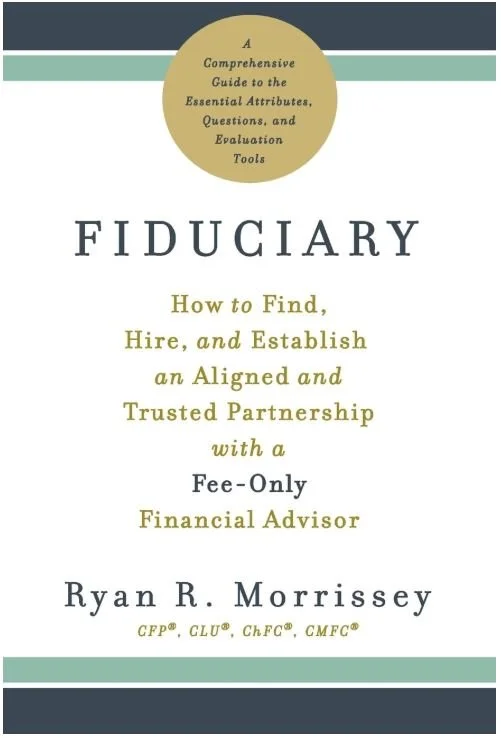
Click here to get your FREE electronic copy of:
Fiduciary - How to Find, Hire, and Establish an Aligned Trusted Partnership with a Fee-Only Financial Advisor
4. Missing Out on Valuable Tax Deductions and Credits
Many taxpayers miss out on legitimate tax breaks and deductions that could reduce their tax bill.
Beginning with the 2025 tax year, several new tax benefits became available due to legislation passed earlier in the year.
Some potential tax benefits include:
Increased standard deduction
Enhanced deduction for taxpayers over age 65
Qualified overtime deductions
Tip income deductions
Expanded state and local tax deduction limits
Vehicle interest deductions
Child tax credits
Energy efficiency credits
For example, if you purchased a vehicle in 2025, you may be able to deduct up to $10,000 in interest paid if the vehicle qualifies under current rules.
Additionally, taxpayers age 65 and older may qualify for an additional $6,000 deduction per individual, subject to income limits.
Tax rules change frequently, so staying informed—or working with a knowledgeable tax professional—can help ensure you don’t miss opportunities to lower your tax bill.
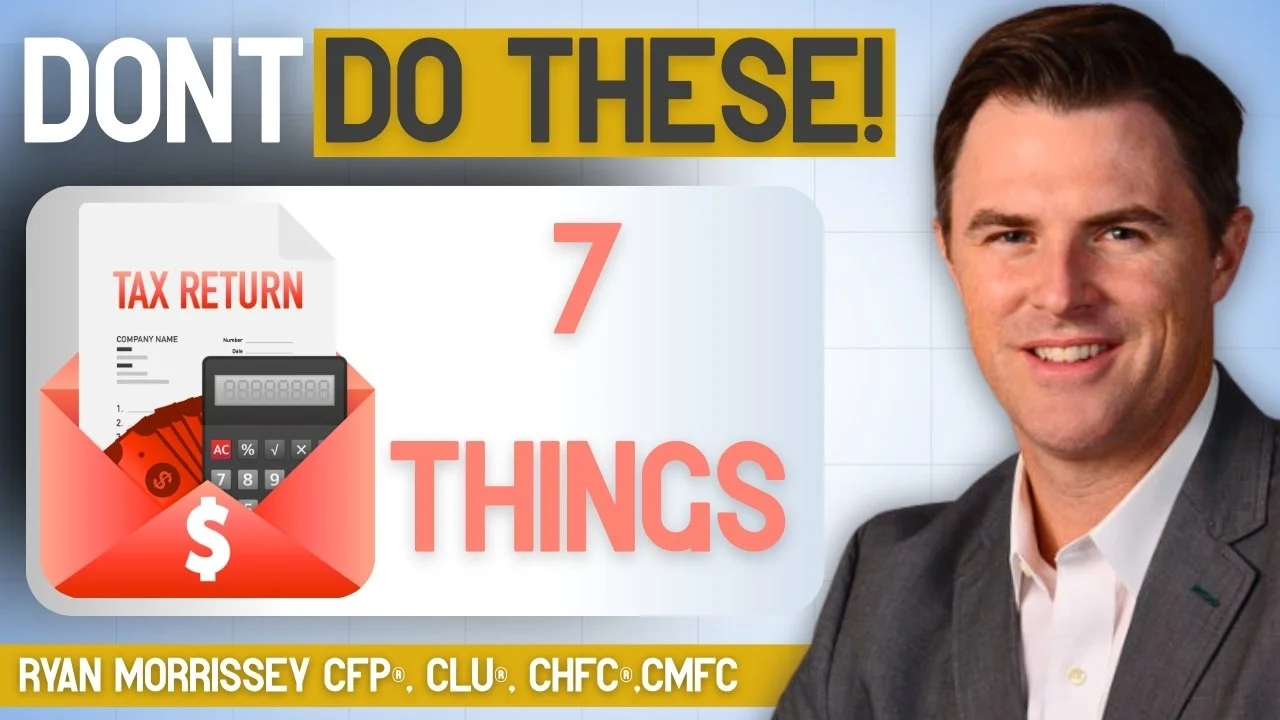
Click here to watch the video lesson on this topic: Available for free on the Retire With Ryan YouTube Channel!
5. Not Determining Whether to Itemize Deductions
Another common mistake is failing to evaluate whether you should itemize deductions or take the standard deduction.
Tax deductions reduce your taxable income, which can lower your overall tax liability.
Historically, many taxpayers itemized their deductions. However, after the Tax Cuts and Jobs Act (TCJA) of 2017, the standard deduction increased significantly.
At the same time, the law introduced a $10,000 limit on state and local tax deductions, known as the SALT cap.
Changes to the SALT deduction
Recent legislation increased the SALT cap from $10,000 to $40,000 beginning in 2025.
This change may allow more homeowners—especially in high-tax states like Connecticut—to itemize their deductions again.
Common itemized deductions include:
1. State and local taxes (SALT)
Includes property taxes and state income taxes.
2. Medical expenses
Medical expenses exceeding 7.5% of adjusted gross income may qualify.
3. Mortgage interest
Interest on mortgages up to $750,000 of debt may be deductible.
4. Charitable donations
Qualified charitable contributions may be deductible.
5. Disaster losses
Losses from federally declared disasters may also qualify.
If your total itemized deductions exceed the standard deduction, itemizing could reduce your tax bill.
6. Forgetting to Report IRA or HSA Contributions
Many taxpayers forget to report tax-deductible retirement and health savings contributions.
IRA contributions
If you qualify for a deductible IRA contribution, it must be reported on your tax return.
For the 2025 tax year, you can still contribute to an IRA until April 15, 2026.
Contribution limits currently allow up to:
$8,000 per person depending on eligibility
Failing to report a deductible contribution means missing out on a tax deduction.
Health Savings Account (HSA) contributions
HSA contributions are also tax deductible.
2025 contribution limits are:
$4,300 for individuals
$8,550 for families
If you're age 55 or older, you can contribute an additional $1,000 catch-up contribution.
If you contributed to an HSA outside of your employer's payroll system, be sure to report those contributions on your tax return.

7. Forgetting to Pay Quarterly Estimated Taxes
Many taxpayers—especially self-employed individuals and retirees—need to pay quarterly estimated taxes.
If you do not have enough tax withheld from your income throughout the year, you may owe penalties for underpayment.
Quarterly taxes often apply to:
Self-employed individuals
Business owners
Independent contractors
Retirees with investment income
Individuals receiving large IRA distributions
The IRS safe harbor rule
To avoid penalties, your tax payments should equal at least:
100% of your prior year tax liability, or
110% if your income exceeds $150,000
You can calculate quarterly payments using IRS Form 1040-ES or pay online through the Electronic Federal Tax Payment System (EFTPS).
What to Do If You Made a Tax Filing Mistake
If you realize you made a mistake after filing your tax return, don’t panic.
You can correct errors by filing an amended tax return using Form 1040-X.
Correcting errors early can help you avoid additional penalties or delays.
Final Thoughts
Filing your taxes can feel overwhelming, but avoiding a few common mistakes can make the process much smoother.
To recap, be careful to avoid:
Filing after the tax deadline
Forgetting to report income or personal details
Making math errors
Missing deductions and credits
Not evaluating itemized deductions
Forgetting IRA or HSA contributions
Failing to pay estimated quarterly taxes
Taking the time to review your return carefully—or working with a qualified tax professional—can help you avoid costly errors and keep your tax filing process on track.
Have a great week—and I’ll talk to you next Tuesday.
Written by Ryan Morrissey CFP®, CLU®, CHFC®, CMFC
Founder & Principal Advisor of Morrissey Wealth Management
Host of the Retire with Ryan Podcast