
Should You Take the Social Security Lump Sum? Pros, Cons & Break-Even Analysis
Today, we’re diving into an important and often misunderstood topic:
the Social Security lump sum option.
A client recently asked me whether taking this lump sum made sense—and the answer isn’t always straightforward.
Let’s break it down.
What Is the Social Security Lump Sum Option?
The Social Security Administration offers a lump sum option in certain situations.
If you delay claiming benefits past your full retirement age (FRA), you may be eligible to receive:
A lump sum payment of up to 6 months of retroactive benefits
However, there’s a catch:
If you take the lump sum, your monthly benefit is permanently reduced.
How the Lump Sum Actually Works (Real Example)
Let’s walk through a real-life scenario.
Client Details:
Born: October 1958
Full Retirement Age: 66 years, 8 months
FRA reached: March 2025
Applied for benefits: March 2026
Because she delayed benefits for about a year, she qualifies for the lump sum.
Her Numbers:
Current monthly benefit: $2,500
Lump sum eligibility: 6 months retroactive
Adjusted monthly benefit (if lump sum taken): ~$2,350
Lump sum amount: $14,100
Why the lower monthly benefit?
Because Social Security reduces your benefit to reflect what it would have been 6 months earlier, removing about 4% of delayed credits.

The Break-Even Analysis (Critical Decision Point)
Now we ask the most important question:
How long does it take to “make up” the lump sum if you decline it?
The math:
Monthly difference: $150
Lump sum: $14,100
$14,100 ÷ $150 = 94 months (~8 years)
What this means:
If you live longer than ~8 years, you’re better off not taking the lump sum
If you live less than ~8 years, the lump sum may be beneficial
When Taking the Lump Sum Might Make Sense
There are situations where taking the lump sum is a reasonable—or even smart—decision:
1. You Need Immediate Cash
Paying off debt
Covering large expenses
Bridging income gaps
2. Health Concerns / Shorter Life Expectancy
If you don’t expect to live beyond the break-even point, taking the money upfront can maximize your benefit.
3. Lifestyle Flexibility
While not always optimal financially, some retirees prefer:
Traveling
Enjoying retirement early
Using funds when they’re most active
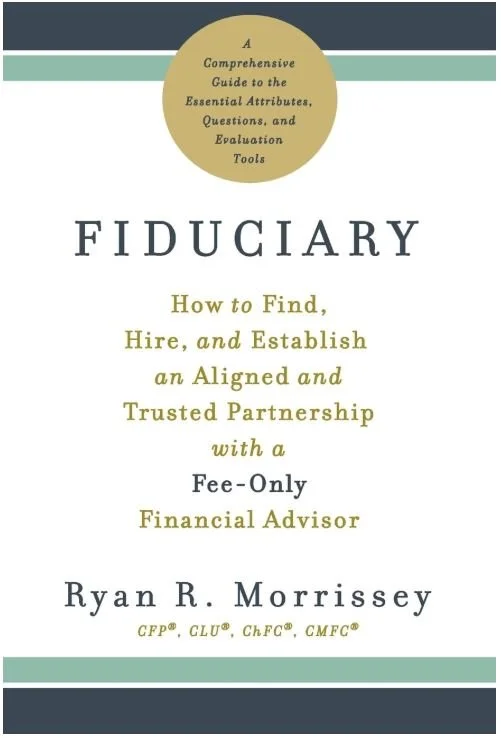
Click here to get your FREE electronic copy of:
Fiduciary - How to Find, Hire, and Establish an Aligned Trusted Partnership with a Fee-Only Financial Advisor
When You Should Probably Avoid the Lump Sum
For many retirees, skipping the lump sum is the better long-term strategy.
1. You’re in Good Health
If you expect to live well beyond 8 years, the higher monthly benefit pays off significantly over time.
2. You Have Longevity in Your Family
Longer life expectancy = more value from higher monthly income.
3. You’re the Higher-Earning Spouse
This is a big one.
If you pass away first:
Your spouse inherits your benefit as a survivor benefit
A higher monthly benefit = more lifetime income for your spouse
4. You Want to Maximize Cost-of-Living Adjustments (COLAs)
Social Security benefits increase with inflation.
Starting at a higher base = larger future increases
Taking the lump sum = lower base forever
Historically, COLAs have averaged about 2.8% annually
5. Tax Considerations
Taking a lump sum could:
Increase your taxable income for the year
Push more of your Social Security into taxable range
Increase Medicare premiums (IRMAA)
This was a key factor for my client.

Prefer to listen to my podcast episode on this topic? Click here
What My Client Decided
After reviewing:
The 8-year break-even
Her strong health
Family longevity
Tax implications
No immediate need for cash
She ultimately chose:
Not to take the lump sum
This allowed her to:
Lock in a higher monthly benefit
Increase future COLAs
Provide a larger survivor benefit for her spouse
Key Takeaways
If you’re offered the Social Security lump sum, remember:
✔ It’s not “free money”
You’re trading a lump sum for a permanently lower monthly benefit
✔ Run the break-even analysis
This is the foundation of your decision
✔ Consider your personal situation:
Health & longevity
Income needs
Tax impact
Spousal benefits

Final Thoughts
Deciding when and how to claim Social Security is one of the most important financial decisions you’ll make in retirement.
The lump sum option can be useful—but in many cases, it’s not the optimal long-term strategy.
A thoughtful, personalized analysis can make a six-figure difference over your lifetime.