
How Social Security at 62 Can Impact Your ACA Health Insurance Subsidy
If you’re considering claiming Social Security at age 62, there’s one critical factor you may be overlooking: how it could affect your Affordable Care Act (ACA) health insurance subsidy.
For early retirees—especially those not yet eligible for Medicare—this decision can cost you thousands of dollars per year if not planned properly.
In this article, we’ll break down:
How ACA subsidies work
How income is calculated
Why Social Security can reduce or eliminate your subsidy
Smart strategies to protect your benefits
Why This Matters More in 2026
Beginning in 2026, ACA subsidy rules revert back to the “subsidy cliff.”
That means:
👉 If your income exceeds the limit by even $1, you could lose 100% of your subsidy.
From 2021–2025, subsidies phased out gradually. That safety net is now gone.
How ACA Subsidies Are Calculated
Your eligibility is based on:
Household size
Modified Adjusted Gross Income (MAGI)
To qualify, your income must fall between:
100% and 400% of the Federal Poverty Level (FPL)

2026 Income Limits:
Single filer: Up to ~$62,600
Married couple: Up to ~$84,600
Go over that threshold—even slightly—and your subsidy disappears.
What Counts as Income for ACA Subsidies?
ACA subsidies are based on Modified Adjusted Gross Income (MAGI), not just taxable income.
Step 1: Start With Adjusted Gross Income (AGI)
This includes:
Wages
IRA/401(k) distributions
Interest and dividends
Capital gains
Rental income
Social Security (partially)
Step 2: Add Back Certain Income
For ACA purposes, you must add back:
Tax-exempt interest (municipal bonds)
Foreign earned income (if applicable)
Non-taxable Social Security
👉 This last one is where many retirees get caught off guard.
The Hidden Impact of Social Security
Even if your Social Security isn’t fully taxable…
👉 It still counts toward ACA income calculations.
Example:
Let’s say:
IRA withdrawal: $20,000
Social Security: $26,000
For tax purposes:
Only part of Social Security may be taxable
But for ACA:
The full $26,000 is included in MAGI
Result:
Your income jumps from $20,000 → $46,000
That increase could:
Reduce your subsidy
Or eliminate it entirely
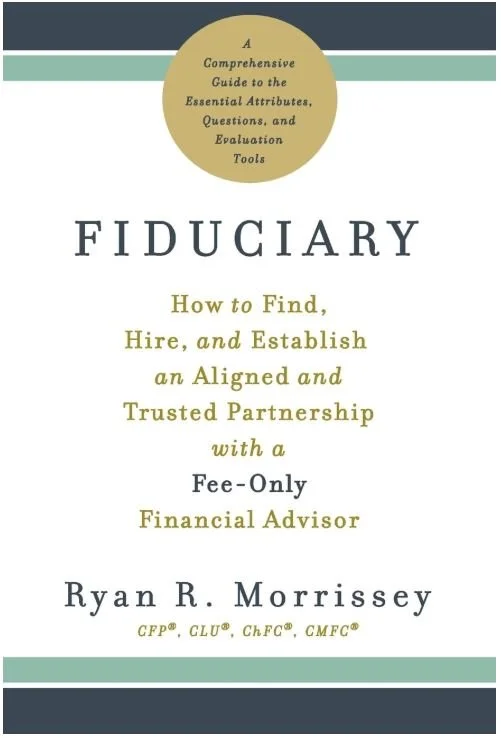
Click here to get your FREE electronic copy of:
Fiduciary - How to Find, Hire, and Establish an Aligned Trusted Partnership with a Fee-Only Financial Advisor
Why Claiming Social Security at 62 Can Be Costly
Claiming early Social Security may seem appealing—but it can:
Push your income over ACA limits
Reduce your premium tax credit
Increase your healthcare costs significantly
In some cases, the lost subsidy outweighs the Social Security benefit itself.
Real-World Risk: The Subsidy Cliff
Let’s say you’re a single filer:
Income at $62,500 → You qualify for a subsidy
Income at $62,601 → You lose everything
That’s how unforgiving the 2026 rules are.
Strategies to Protect Your ACA Subsidy
If you’re retiring before age 65, planning your income is essential.
1. Delay Social Security
Waiting can:
Keep your income lower
Preserve your subsidy
Increase your future benefit
2. Use Roth Accounts Strategically
Withdrawals from:
Roth IRAs
Roth 401(k)s
✅ Do NOT count toward MAGI

Prefer to listen to my podcast episode on this topic? Click here
3. Control IRA Distributions
Be mindful of:
Required withdrawals
Optional income
Even small changes can impact subsidy eligibility.
4. Avoid Realizing Capital Gains
Selling investments at a gain:
Increases MAGI
Risks losing your subsidy
5. Monitor Your Income Throughout the Year
Don’t “set it and forget it.”
Track:
Investment income
Withdrawals
Unexpected gains
6. Consider Pre-Funding Income Needs
Before applying for ACA:
Take distributions in earlier years
Build up cash reserves
Then withdraw from savings (not counted as income).
7. Use HSA or Other Non-Taxable Sources
Options include:
Health Savings Account (HSA) reimbursements
Cash savings
Even temporary liquidity options (carefully used)

Final Thoughts
Deciding when to take Social Security is more than just a retirement income decision—it’s a tax and healthcare strategy.
For early retirees, one misstep could:
Trigger the ACA subsidy cliff
Increase healthcare costs dramatically
Reduce overall retirement efficiency
The key takeaway:
👉 Always evaluate Social Security decisions alongside your ACA subsidy eligibility.
Have a great week—and I’ll talk to you next Tuesday.
Written by Ryan Morrissey CFP®, CLU®, CHFC®, CMFC
Founder & Principal Advisor of Morrissey Wealth Management
Host of the Retire with Ryan Podcast