
The Hidden Costs of Aging in Place: What Retirees Need to Know
A majority of Americans prefer to age in place. If you’re planning to stay in your home as long as possible in retirement, it’s important to understand the hidden costs of aging in place—because many of them are often overlooked.
While the emotional benefits are clear, the financial side is where many retirees get caught off guard.
In this article, we’ll break down:
What aging in place really means
Why it’s so appealing
The 5 major costs retirees often underestimate
How to build a plan so these expenses don’t derail your retirement
What Does “Aging in Place” Mean?
Aging in place simply means remaining in your home as you age, rather than moving to a retirement community, assisted living facility, or nursing home—unless it becomes absolutely necessary.
For many, this is the ideal scenario:
Less stress than relocating
Familiar environment
Greater independence and control
And you’re not alone in thinking this way.
According to AARP:
77% of Americans age 50+ want to stay in their home long-term
But only 49% believe they’ll actually be able to do so
Why the disconnect?
Because most people underestimate the true cost of staying in their home.

The Reality: Most Homes Aren’t Built for Aging
Research from Harvard Joint Center for Housing Studies shows that:
Less than 4% of U.S. homes are fully equipped for aging in place
(single-floor living, no-step entry, wide doorways, etc.)
That means most homes will require modifications—and ongoing expenses—to remain livable over time.
The 5 Hidden Costs of Aging in Place
1. Home Modifications
This is often the first—and most obvious—expense.
Simple upgrades may include:
Grab bars in bathrooms
Lever-style door handles
But costs can escalate quickly if mobility declines:
Walk-in showers: $10,000–$18,000+
Stair lifts: $5,000+
Door widening, ramps, layout changes: thousands more
Major renovations—like adding a first-floor bedroom or bathroom—can be prohibitively expensive, especially if done last-minute.
Key takeaway: Plan these upgrades early, before they become urgent.
2. Maintenance and Repairs
Many retirees budget for:
Mortgage (if applicable)
Property taxes
Insurance
But they often overlook ongoing maintenance costs.
Your home ages just like you do:
Roof replacement (25–30 year lifespan): ~$15,000–$25,000
HVAC systems (10–15 years): several thousand dollars
Electrical and plumbing issues
These aren’t “if”—they’re when.
Key takeaway: Build a long-term maintenance schedule and budget for large repairs in advance.
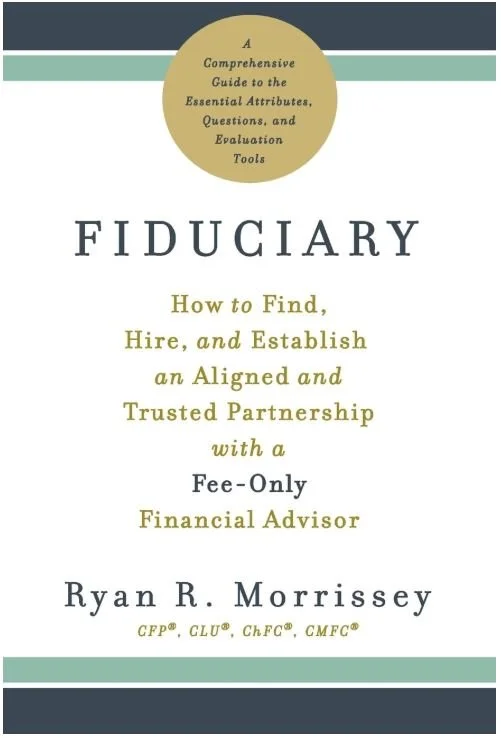
Click here to get your FREE electronic copy of:
Fiduciary - How to Find, Hire, and Establish an Aligned Trusted Partnership with a Fee-Only Financial Advisor
3. Upkeep and Daily Home Expenses
In your 60s, you may still handle:
Lawn care
Snow removal
Gutter cleaning
General upkeep
But over time, these tasks can become:
Physically difficult
Unsafe
Hiring help becomes necessary—and costly.
In some cases, these expenses can exceed:
Condo association fees
Maintenance-included housing options
Key takeaway: Compare future upkeep costs to alternative housing options—you may be surprised.
4. Healthcare Costs at Home
As you age, healthcare needs increase—and staying at home often requires additional support.
Potential costs include:
Home health aides
Medical equipment
Prescription management systems
Medical alert systems
Transportation to appointments
Many of these are not fully covered by insurance.
The average senior takes 5–7 medications, and managing them properly often requires oversight—either from family or paid professionals.
Key takeaway: Healthcare costs at home are ongoing and often underestimated.

Prefer to listen to my podcast episode on this topic? Click here
5. In-Home Care and Long-Term Support
This is the most underestimated expense of all.
Many retirees assume they won’t need help—but statistically:
Most people will require some level of assistance
Important reality:
Medicare does not cover long-term care
Assisted living and in-home care are largely out-of-pocket expenses
Costs can be significant:
Part-time home care: thousands per month
Full-time care: up to $150,000–$180,000 per year in some regions
Long-term care insurance can help—but only about 3% of Americans over 50 have it.
Key takeaway: This is often the largest financial risk to aging in place.
How to Plan for Aging in Place
If aging in place is your goal, you need a proactive plan—not just hope.
Here’s where to start:
1. Evaluate Your Home
Is it suitable long-term?
What modifications will be needed?
2. Estimate Future Costs
Repairs and maintenance
Healthcare and in-home care
Ongoing upkeep
3. Build These Into Your Retirement Plan
Incorporate into your cash flow projections
Stress-test your plan for worst-case scenarios
4. Consider Alternative Options Early
If staying in your home becomes too costly, explore:
Downsizing
Condominiums
Senior living communities
Living with family
With today’s strong real estate market, selling earlier may give you:
Greater flexibility
More financial options

Final Thoughts: Don’t Wait Until It’s Too Late
Aging in place can be a great option—but only if it’s financially sustainable.
The biggest mistake people make is waiting until:
A health event occurs
A major repair is needed
Or they’re forced into a rushed decision
Planning ahead allows you to:
Stay in control
Avoid unnecessary stress
Make decisions on your terms
Want Help Planning Your Retirement?
If you have a question you’d like covered in a future article or podcast episode, head over to retirewithryan.com and click “Ask a Question.”
And if you haven’t already, you can download a free copy of my book Fiduciary, where I walk through:
How to find the right financial advisor
Retirement planning strategies
Tax planning insights
Investment and estate planning tips
Have a great week—and I’ll talk to you next Tuesday.
Written by Ryan Morrissey CFP®, CLU®, CHFC®, CMFC
Founder & Principal Advisor of Morrissey Wealth Management
Host of the Retire with Ryan Podcast