
5 Reasons to Avoid Variable Annuities in Retirement (And the Hidden Fees Most Investors Never See)
Variable annuities are often marketed as a safe and reliable solution for retirees seeking guaranteed income. Attend enough retirement dinner seminars and chances are you'll hear a presentation promoting the benefits of a variable annuity.
While these products can offer certain guarantees, many retirees are unaware of the substantial fees, restrictions, and long-term drawbacks that often accompany them.
In this article, we'll explain:
What a variable annuity is
How variable annuities work
The hidden fees many investors overlook
Five reasons retirees may want to avoid variable annuities
A real-world example of how a variable annuity cost one investor over $125,000 in potential growth
What Is a Variable Annuity?
A variable annuity is an investment product issued by an insurance company that allows investors to place money into various investment options known as subaccounts.
These subaccounts are designed to function similarly to mutual funds and may invest in:
U.S. stocks
International stocks
Bonds
Balanced portfolios
Like a traditional IRA or 401(k), growth inside a variable annuity is tax-deferred until withdrawals are taken.
Many variable annuities also include optional riders that provide guaranteed income benefits, death benefits, or other insurance features.

How Guaranteed Income Riders Work
One of the biggest selling points of a variable annuity is the Guaranteed Lifetime Withdrawal Benefit (GLWB).
For example:
Let's assume you invest $100,000 into a variable annuity that offers a 5% guaranteed withdrawal rate beginning at age 65.
This would allow you to withdraw:
$5,000 annually for life
Even if market performance is poor and the account value eventually falls to zero, the insurance company would continue making payments according to the rider's terms.
Some annuities also include an income base that grows by a guaranteed amount—often 5% to 8% annually—before withdrawals begin.
However, many investors misunderstand this feature.
Important Distinction
The guaranteed growth applies to the income benefit base, not your actual account value.
For example:
Initial investment: $100,000
Guaranteed benefit growth: 8% annually
Income base after five years: approximately $147,000
That does not mean you can withdraw $147,000.
You only have access to the actual cash value of the account, not the inflated benefit base used to calculate future income.
This misunderstanding is one reason variable annuities can be confusing for investors.
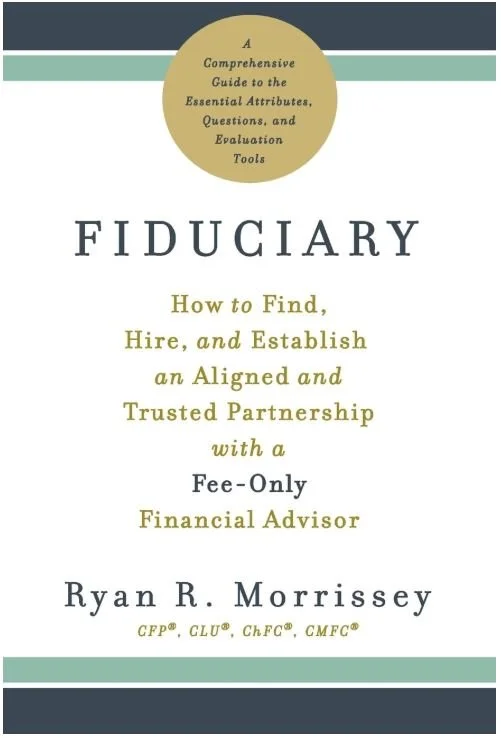
Click here to get your FREE electronic copy of:
Fiduciary - How to Find, Hire, and Establish an Aligned Trusted Partnership with a Fee-Only Financial Advisor
5 Reasons to Avoid Variable Annuities
1. Extremely High Fees
Variable annuities are among the most expensive investment products available.
Most investors don't realize they may be paying multiple layers of fees simultaneously.
Mortality & Expense (M&E) Fees
Insurance companies typically charge annual mortality and expense fees ranging from:
1.00% to 2.00% per year
These fees compensate the insurer for administering the annuity and providing insurance guarantees.
Subaccount Fees
The investments inside the annuity also carry their own management fees.
These often range from:
0.50% to 2.00% annually
depending on the investment options selected.
Rider Fees
If you purchase a guaranteed income rider, you can expect an additional fee of:
1.00% to 2.00% annually
Total Cost
When combined, many variable annuities charge:
3% to 5% per year in total fees
That means an investor with a $500,000 annuity could easily pay:
$15,000 to $25,000 annually
in fees.
2. Lack of Transparency
Many investors don't fully understand what they're paying because annuity fees are often difficult to identify.
While fees are disclosed in the prospectus, most investors never read hundreds of pages of legal disclosures.
Even annual statements often fail to clearly show the total cost being charged.
Additionally, the subaccounts inside the annuity are not identical to traditional mutual funds or ETFs.
Investors may assume they're receiving returns similar to the S&P 500 or other market indexes, only to discover that performance significantly lags due to fees and investment structure.
3. Poor Risk-to-Reward Tradeoff
The guaranteed income rider sounds attractive.
However, many retirees end up paying thousands of dollars annually for a benefit they may never actually need.
For the insurance company to make income payments after your account is depleted, several things generally must occur:
You must live well into your late 80s, 90s, or beyond.
Market returns must be poor over an extended period.
Your withdrawals must significantly reduce the account value.
While these outcomes are possible, they are far less common than many investors realize.
Meanwhile, the ongoing fees reduce returns every single year.
In many cases, retirees could generate more income and preserve more wealth by investing in a diversified portfolio with substantially lower costs.
4. Limited Inflation Protection
One of the biggest problems with variable annuities is that many income guarantees do not adjust effectively for inflation.
Let's assume:
Initial investment: $100,000
Guaranteed withdrawal rate: 5%
Annual income: $5,000
That $5,000 may sound attractive today.
However, twenty years from now, inflation could significantly reduce its purchasing power.
To increase income, the annuity's cash value generally must grow faster than:
Annual withdrawals
Insurance fees
Investment fees
Rider fees
This often requires annual returns exceeding 8% to 10% before investors see any meaningful increase in income.
By contrast, lower-cost investment portfolios may provide greater flexibility to increase withdrawals over time while maintaining purchasing power.

Prefer to listen to my podcast on this topic? Click here
5. Surrender Charges Can Lock Up Your Money
Most variable annuities pay substantial commissions to the advisor selling them.
To recover those commissions, insurance companies impose surrender periods.
A typical surrender schedule might look like:
YearSurrender Charge18%27%36%45%54%63%72%80%
If you need access to your money before the surrender period expires, you may face significant penalties.
This lack of flexibility can create serious problems if:
Your financial situation changes
You need long-term care
You discover a better investment strategy
You simply decide the annuity isn't right for you
A Real-World Example: How One Variable Annuity Cost an Investor Over $125,000
I recently met with a prospective client who had invested in a variable annuity inside an IRA.
His advisor recommended investing:
$215,000 on June 17, 2021
As of March 31, 2026, the account had grown to approximately:
$223,000
That's a total gain of just:
3.7% over nearly five years
Now compare that to the S&P 500.
Between June 2021 and March 2026:
The S&P 500 increased roughly 54%
Including dividends, total return was approximately 65%
Had the same $215,000 been invested in a low-cost S&P 500 index fund, the account could have grown to approximately:
$355,000
Instead, the investor's account was worth only:
$223,000
That's a difference of more than:
$130,000
in lost growth.
While not every variable annuity performs this poorly, I've seen similar situations throughout my career.
Are Variable Annuities Ever Appropriate?
Variable annuities aren't inherently bad.
There are situations where they may make sense, particularly for:
Investors seeking guaranteed lifetime income
Individuals with no pension
Those who value insurance guarantees over growth potential
However, many retirees purchase them without fully understanding:
The costs
The restrictions
The tradeoffs
Before investing in a variable annuity, it's important to carefully evaluate whether the benefits justify the ongoing fees.

Final Thoughts
Variable annuities are often sold as a solution to retirement income concerns, but they can come with significant drawbacks.
Before investing, make sure you fully understand:
All fees and expenses
Income rider costs
Surrender charges
Investment limitations
Inflation risks
The promise of guaranteed income can be appealing, but guarantees aren't free.
For many retirees, a diversified, low-cost investment portfolio may provide greater flexibility, higher long-term growth potential, and more retirement income over time.
As always, carefully evaluate your options before committing your retirement savings to any financial product.