
4 Financial Scams That Could Threaten Your Retirement Savings in 2026
How Retirees Can Protect Their Investment Accounts, Bank Accounts, and Personal Information
According to the FBI, financial scams continue to rise every year, costing Americans billions of dollars annually. Unfortunately, retirees are often prime targets because scammers know they may have accumulated significant retirement savings, investment accounts, and home equity over a lifetime of hard work.
Many people assume a scammer needs advanced hacking skills to steal their retirement savings. In reality, most scammers don't hack into accounts at all. Instead, they manipulate people into voluntarily giving away the information needed to access their accounts.
The good news is that most scams follow predictable patterns. Once you understand how they work, they become much easier to identify and avoid.
In this article, we'll discuss four common financial scams targeting retirees and investors, along with practical steps you can take to protect yourself and your retirement savings.
Why Financial Scams Are Becoming More Common
Most successful scams rely on three key ingredients:
A trusted-looking sender or organization
A sense of urgency
Just enough detail to appear legitimate
Scammers want you to react emotionally rather than logically. They want you to act quickly before you have time to verify the information.
Whether the scam involves a bank account, investment account, credit card, or personal information, the objective is usually the same: gain access to your money.
Let's review four scams every retiree should know about.

Scam #1: Account Takeover Fraud
This is arguably the most dangerous financial scam affecting retirees today.
How the Scam Works
It often starts with a text message that says something like:
"Did you authorize this transaction? Reply YES or NO."
If you respond "No," you may immediately receive a phone call from someone claiming to be from your bank, brokerage firm, or financial institution.
The caller sounds professional and may already know personal information such as:
Your name
Address
Date of birth
Phone number
Partial account information
Because of major data breaches over the past decade, scammers often have access to far more information than most people realize.
The caller then tells you:
Your account has been compromised.
Suspicious activity has occurred.
They need to help secure your account.
Next, they send a verification code to your phone and ask you to read it back to them.
The Dangerous Mistake
The scammer did not send the code.
Your financial institution did.
The scammer is attempting to log into your account and needs that final verification code to gain access.
Once you provide the code, you may unintentionally give them complete control of your account.
How to Protect Yourself
Never provide:
Verification codes
Security PINs
Passwords
Authentication codes
to anyone who contacts you unexpectedly.
If you receive a suspicious call:
Hang up immediately.
Call your financial institution directly using the phone number listed on their official website.
Verify whether any issue actually exists.
A legitimate financial institution will never be offended if you independently verify the situation.
Scam #2: The Fake Debt Collection Text
Another increasingly common scam involves fraudulent debt collection notices.
What the Message Looks Like
You may receive a text message saying:
"This is an attempt to collect a debt. Contact us immediately regarding reference number 687-5643."
Sometimes the message includes:
A dollar amount owed
A company name
A government reference
A phone number or payment link
Why It Works
Most people don't want collection agencies calling them.
The scam relies on fear and embarrassment.
The scammer hopes you'll immediately call the number or click the link without verifying whether the debt actually exists.
How to Protect Yourself
If you receive one of these messages:
Do not click the link.
Do not call the number provided.
Verify directly with the creditor if you believe the debt might be legitimate.
Remember: scammers want you to react quickly. Slowing down is often your best defense.
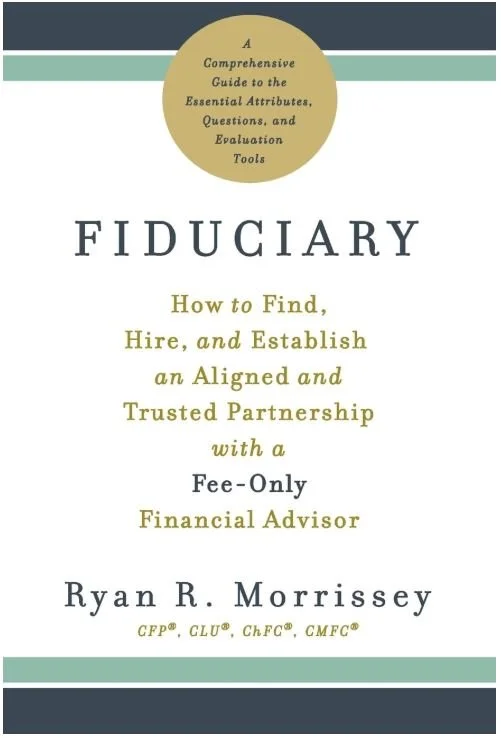
Click here to get your FREE electronic copy of:
Fiduciary - How to Find, Hire, and Establish an Aligned Trusted Partnership with a Fee-Only Financial Advisor
Scam #3: The Unpaid Toll Road Text Message
If you've received a text claiming you owe money for an unpaid toll, you're not alone.
This scam has become incredibly common.
What the Text Looks Like
You may receive a message saying:
"You have an outstanding toll balance of $15. Click here to pay immediately."
The amount is usually small.
That's intentional.
Why It Works
Most people think:
"It's only $15. I'll just pay it."
Unfortunately, once you enter your:
Credit card information
Debit card information
Personal information
the scammer may have everything they need to commit fraud.
How to Protect Yourself
Never pay a toll bill directly from a text message.
Instead:
Visit the toll authority's official website.
Log into your account directly.
Verify any outstanding balance yourself.
A few extra minutes of verification can save you thousands of dollars.

Prefer to listen to my podcast episode on this topic? Click here
Scam #4: Fake Invoice Emails
Business owners and retirees alike frequently receive fraudulent invoice emails.
What These Emails Look Like
The email may say:
"Invoice Attached – Payment Due Immediately"
Often the message appears to come from a legitimate company such as:
Microsoft
PayPal
Amazon
QuickBooks
Other recognizable businesses
The logo often looks authentic.
The email may appear professional.
But appearances can be deceiving.
The Real Goal
Scammers typically want one of two things:
Goal #1: Install Malware
Opening the attachment may install malicious software that can:
Steal personal information
Monitor your activity
Access passwords
Lock your files
Some attacks involve ransomware, which encrypts your files and demands payment for their release.
Goal #2: Trick You Into Paying
Other fake invoices simply try to convince you to pay for something you never purchased.
Once payment information is submitted, scammers may gain access to your financial accounts.
How to Protect Yourself
Before opening any attachment:
Verify the sender's email address.
Hover over links before clicking.
Contact the company directly if you're unsure.
When in doubt, delete the email.
7 Ways Retirees Can Protect Their Retirement Savings
The best defense against financial scams is developing good habits.
1. Slow Down
Urgency is a scammer's most powerful weapon.
Never make financial decisions under pressure.
2. Be Careful Answering Unknown Calls
If you answer and something feels suspicious:
Hang up.
Verify independently.
3. Never Click Unsolicited Links
Whether it's a text message or email, avoid clicking links from unknown sources.
4. Guard Your Personal Information
Never provide:
Passwords
Social Security numbers
Verification codes
Security PINs
unless you initiated the call yourself.
5. Use Multi-Factor Authentication
Whenever available:
Enable two-factor authentication.
Use an authenticator app instead of text message verification.
Authenticator apps are generally more secure than SMS codes.
6. Add a Verbal Password
Many financial institutions allow you to establish a verbal password on your account.
This provides an additional layer of protection against unauthorized access.
7. Assume It's a Scam Until Proven Otherwise
If something feels suspicious:
Stop.
Verify.
Contact the institution directly.
It's much easier to confirm that something is legitimate than it is to recover stolen money.

Final Thoughts
Retirement accounts often represent decades of hard work, saving, and investing. Unfortunately, scammers know this and continue developing increasingly sophisticated ways to target retirees.
The good news is that most scams can be avoided by following a few simple rules:
Slow down.
Verify independently.
Never share verification codes.
Use strong security measures.
When in doubt, hang up and call back using an official number.
A healthy amount of skepticism can go a long way toward protecting your retirement savings and financial future.
Remember: scammers don't need to hack your accounts if they can convince you to open the door for them.
Stay vigilant, stay informed, and protect the retirement savings you've worked so hard to build.
Have a great week—and I’ll talk to you next Tuesday.
Written by Ryan Morrissey CFP®, CLU®, CHFC®, CMFC
Founder & Principal Advisor of Morrissey Wealth Management
Host of the Retire with Ryan Podcast