
What To Expect Once I've Hired A Fee-Only Financial Advisor
As we discussed last week, when it comes to hiring a financial advisor, there are three main types of services to consider: financial planning, investment management, or a combination of both.
While some firms, like mine, offer both services as a comprehensive package, other advisors focus on just one of these offerings. The type of service you choose depends on your goals and needs, and it will ultimately shape the kind of relationship you'll have with your advisor.
In this post, I'll walk you through the first type of service—financial planning—so that you have a clear understanding of what to expect if you decide to go down this route.
#1: Financial Planning & What Is It?
There are many definitions of financial planning out there, but in essence, it’s the process of creating strategies to manage your finances and achieve your long-term goals.
Another way to think about it is as a comprehensive look at your entire financial situation, where the goal is to build a specific financial plan that helps you reach those objectives.
Financial planning can be especially beneficial during key life phases. As you pass through different milestones—such as starting your first job, getting married, having children, receiving an inheritance, or even reaching important birthdays (like 40, 50, or 60)—having a financial advisor can help guide you toward the best financial decisions for each stage of your life.

Listen to this week’s episode on: 6 Market Predictions for 2026
How to Get Started with a Financial Planning Relationship
Once you've decided you want to work with a fee-only financial advisor for financial planning, the first step is to sign a planning agreement.
This is a document that clearly outlines the services the advisor will provide, the costs involved, and your obligations. Advisors may charge in different ways:
Some use a flat fee or;
Others might charge hourly or;
Request a partial upfront payment with the rest due after the plan.
Your agreement will also outline your responsibilities as the client. This might include providing the necessary documents for the advisor to create your plan and following through on any actions recommended. Some advisors may also have a separate engagement agreement, which outlines in more detail what areas of your financial plan will be addressed and what specific deliverables you'll receive.
What Documents Will You Need?
After signing the agreement and making the initial payment, your advisor will likely request a list of documents to get started. These might include things like:
Tax returns
Social security statements
Pension statements
Investment account statements
Insurance policies
Mortgage or student loan information
Will or trust documents
While gathering this information might seem tedious, it can be surprisingly helpful. Many clients find that they haven't looked at their investment statements in months, or that their old retirement plan needs to be updated. The process of compiling these documents is a great opportunity to take a fresh look at your financial life and organize everything in one place.
The Financial Planning Process
Once your advisor has received all the necessary documents, they’ll schedule an initial meeting to review everything. During this meeting, they may clarify any outstanding information or ask additional questions to ensure they have a complete picture of your financial situation.
Once the information is in place, the advisor will begin working on your financial plan. If you're opting for a comprehensive plan, they will examine all areas of your financial life. Common areas of focus include:
Cash Flow Planning: Understanding your income, expenses, and savings. Your advisor will help you identify ways to improve your cash flow, whether it’s by saving more or cutting expenses.
Retirement Planning: Projecting when you can realistically retire and how much you'll need to save to reach that goal. Your advisor may also help you adjust your retirement timeline if you want to retire earlier or need to make changes to your savings rate.
Insurance Planning: Ensuring you have the right insurance coverage, including life, disability, and health insurance, to protect you and your family.
Tax Planning: Reviewing your past tax returns to ensure you’re taking advantage of all available deductions and strategies, such as contributing to Roth or pre-tax accounts. Your advisor may also help you plan for the tax implications of your retirement income.
Investment Planning: Reviewing your current investments and determining whether your asset allocation is appropriate for your goals. This may also involve advising on where to invest your money outside of retirement accounts, such as through rolling over old retirement plans.
Estate Planning: Reviewing your current will or trust and making sure everything is aligned with your wishes. While most financial advisors aren't attorneys and don't draft legal documents, they can help you ensure that your estate planning documents are in order.

Click here to learn more…
The Financial Plan Delivery
After your advisor has developed your financial plan, they’ll deliver it to you—usually in a written format. Having a written plan is essential for several reasons. It gives you a reference point for future decision-making, and it allows you to track your progress over time.
The plan also includes an implementation schedule, outlining the specific steps you need to take to make the plan a reality. While your advisor can provide guidance, the responsibility for actually carrying out these actions lies with you.
Implementation and Accountability
One of the most critical aspects of financial planning is implementing the plan. Many people make the mistake of spending money and time on creating a plan but never actually put the steps into action. This is where an advisor can make a significant difference. If you’re struggling with implementation, some advisors will offer extra support (sometimes for an additional fee). They might help you stay accountable, ensuring that the recommendations you receive lead to real improvements in your financial situation.
For most clients, a comprehensive financial plan is a one-time engagement. Once the plan is complete, the relationship with the advisor may end unless you choose to engage in ongoing planning. Some advisors offer annual or quarterly planning services, where they provide check-ins and updates as life circumstances change.
When to Revisit Your Plan
As you go through life, your financial situation will evolve. Major life changes—such as a career change, marriage, or the birth of a child—are excellent times to revisit your financial plan.
If you’ve been following the implementation steps and are meeting your goals, you may not need to update your plan frequently. However, regular check-ins (at least every couple of years) are essential to keep things on track and adjust your plan if necessary.
Peace of mind through trusted advice - Check out this week’s episode on:
#1: Investment Managment & What Is It?
Now, let’s dive into the second service, which is arguably the most common offering from financial advisors: investment management. For many, this is the go-to service, though it may or may not include financial planning. In recent years, more firms have combined both services, but the exact offerings can vary from one advisor to the next. At my firm, for example, we offer both investment management and financial planning as part of the same package.
When you hire a financial advisor to manage your portfolio, Asset Under Management (AUM) is typically how they structure the fee. AUM means the advisor charges a percentage of the assets they manage for you. Some firms may opt for a flat fee—for instance, $2,500 per quarter—regardless of how much they manage, but the AUM model is by far the most common.
Why AUM?
It creates a win-win scenario where your advisor is motivated to grow your portfolio. As your portfolio increases in value, their fee increases too. If the portfolio declines, so does their fee. In this model, your advisor has a vested interest in your success, and there’s a clear incentive to act in your best interest. When fees are fixed, with no correlation to your portfolio's success, accountability can be an issue.
A Breakdown of AUM Fees
Generally, AUM fees start around 1.25% to 1.5% per year for portfolios under $1 million. The fee typically drops as the portfolio size grows. For example, our firm’s fee starts at 1.25%, but it drops to 1% when the portfolio exceeds $1 million and further decreases to 0.85% once it hits $2 million.
This is called a breakpoint—the point at which the fee decreases. It’s important to note that some firms only reduce the fee on the amount over the breakpoint. For example, if your portfolio exceeds $1 million, you might still pay the full 1.25% on the first million, and only the amount above that would be billed at 1%. At our firm, we apply the discount to the entire portfolio once you reach the breakpoint, which could offer you savings compared to firms that only reduce fees on the excess.
Shipped to your door!
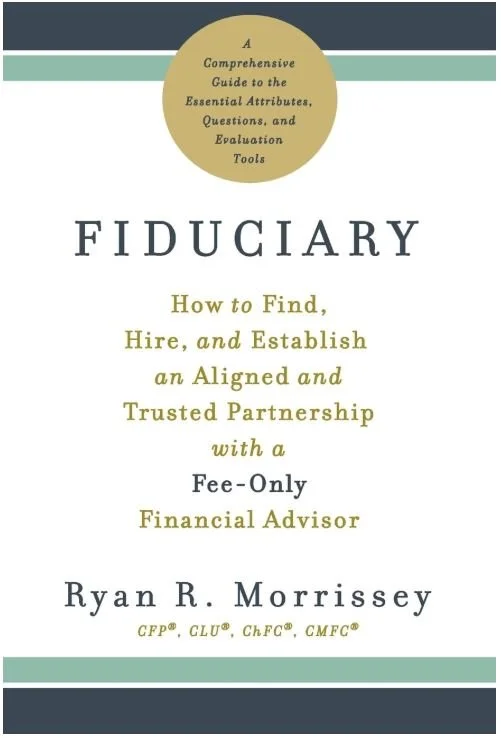
Available on Amazon Marketplace
Click here to learn more…
Available on Amazon Marketplace (click the image)
Understanding the Investment Management Agreement
Once you decide to hire a fee-only financial advisor for investment management, the first step is to sign an Investment Management Agreement. This agreement is similar to the financial planning agreement we discussed earlier but includes more details about the services provided.
Here’s a closer look at what you’ll find in the agreement:
Fee Structure: The agreement will outline the advisor’s fees and fee schedule. Are they charging you 1.25% on the first million, and do they offer a breakpoint? Will that discount apply to the entire portfolio, or only to the portion above the breakpoint?
Fee Calculation: Most advisors use a quarter-end balance to calculate fees, which is simple and transparent. At my firm, we use this method, taking a snapshot of the portfolio at the end of each quarter. Some firms may use monthly balances, while others calculate fees based on an average daily balance, which is more complicated to verify and can be harder for clients to track.
Billing Frequency: Most firms bill quarterly, but some have switched to monthly billing. Be sure to check how often fees will be assessed.
Fee Payment: The most common approach is to have the fee paid directly from your account. This is especially convenient for retirement accounts, as it doesn’t trigger taxes or require you to pay out-of-pocket. However, some firms might allow you to pay fees out of pocket.
Discretionary Authority: Discretionary management means the advisor can make changes to your portfolio without needing your approval each time. This is preferable for many clients, as it allows the advisor to act quickly if market conditions change. If the advisor doesn’t have discretionary authority, they must contact you before making any changes.
Custodianship and Account Management
In the agreement, the advisor will also specify where your money will be held. Most advisors use a third-party custodian to hold client funds, such as Charles Schwab, Fidelity, or Pershing.
This adds an extra layer of security since the custodian, not the advisor, oversees the assets. Your money mustn’t be held directly in the advisor’s name, as this can create a conflict of interest, as we saw in the infamous Bernie Madoff case.
Take my course at your pace through an on demand video library.
Account Transfers Made Easy
Transferring your assets to the new firm is a seamless process, especially if the firm uses the ACAT system (Automated Customer Account Transfer).
This system allows the transfer of accounts electronically between participating firms. The process is usually completed within 5 business days, and it’s often an in-kind transfer, meaning your investments stay as they are without being sold off during the transfer.
If your old firm doesn’t participate in ACAT, your advisor will guide you through alternative transfer methods.
Sometimes investments must be liquidated, and the funds sent via check or wire transfer. If you're rolling over a 401(k) to an IRA, your advisor will help coordinate with your previous plan administrator to ensure the rollover goes smoothly.
Investing Your Portfolio
Once your money has been transferred, the advisor will meet with you to determine your investment strategy. This will involve deciding on your asset allocation, risk tolerance, and specific investments.
Many firms, including ours, use an Investment Policy Statement (IPS) to formalize the strategy, outlining your goals, objectives, and expected returns. The IPS also includes best- and worst-case scenarios to ensure you’re not surprised by market fluctuations.
Ongoing Monitoring and Adjustments
The final step in the investment management process is ongoing monitoring. A good advisor will monitor the portfolio regularly, making adjustments as needed based on changes in market conditions. They will also check in with you at least once or twice a year to ensure the portfolio is still aligned with your goals and risk tolerance.

Take advantage of this offer: Click here… to book your free financial plan review!
Closing Thoughts
This process might seem detailed, but it’s essential to understand how investment management works when hiring a financial advisor.
Whether you’re working with an advisor for financial planning, investment management, or both, this overview should give you a clear idea of what to expect. By understanding the process, you’ll be better equipped to make informed decisions about how you manage your financial future.
If you have a question or topic that you’d like to have considered for a future episode/blog post, you can request it by going to www.retirewithryan.com and clicking on ask a question.
As always, have a great day, a better week, and I look forward to talking with you on the next blog post, podcast, YouTube video, or wherever we have the pleasure of connecting!
Written by Ryan Morrissey
Founder & CEO of Morrissey Wealth Management
Host of the Retire with Ryan Podcast