
Is Your Money Safe at Fidelity or Charles Schwab? What Happens If a Brokerage Firm Fails?
If you've ever looked at your retirement accounts and wondered:
"Is my money really safe at Fidelity?"
"What would happen if Charles Schwab went bankrupt?"
"Could I lose my investments if my brokerage firm collapsed?"
You're certainly not alone.
These questions became especially common following the regional banking crisis in 2023, when several well-known banks unexpectedly failed. Naturally, many investors began asking whether the same thing could happen to major brokerage firms like Fidelity or Charles Schwab.
Fortunately, brokerage firms operate very differently than banks, and understanding those differences can provide tremendous peace of mind.
In this article, we'll explain what would likely happen if a major brokerage firm failed, how your investments are protected, and why your retirement savings are generally much safer than many people realize.

Why Investors Became Concerned
In 2023, several U.S. banks collapsed, including:
Silicon Valley Bank
Signature Bank
First Republic Bank
The failures dominated financial headlines and left many investors wondering whether brokerage firms could experience the same fate.
Because firms like Charles Schwab and Fidelity manage trillions of dollars in client assets, some investors feared that a collapse could wipe out their retirement savings.
Thankfully, that's generally not how brokerage firms work.
Banks and Brokerage Firms Operate Very Differently
Understanding this distinction is the key to understanding why your investments are generally protected.
How Banks Operate
When you deposit money into a bank:
The bank takes custody of your money.
The bank lends those deposits to borrowers.
Banks earn profits by making loans and investments.
Examples include:
Mortgages
Auto loans
Business loans
Treasury securities
Other investments
If a bank makes poor lending or investment decisions, it may eventually become insolvent.
That's why bank deposits are protected by FDIC insurance, generally up to:
$250,000 per depositor, per insured bank, per ownership category.
Anything above applicable FDIC limits may be exposed if the bank fails, depending on how the accounts are titled and how regulators resolve the institution.
Brokerage Firms Don't Own Your Investments
Brokerage firms operate under a very different structure.
When you open an investment account at Fidelity or Charles Schwab:
Your stocks belong to you.
Your ETFs belong to you.
Your mutual funds belong to you.
Your bonds belong to you.
Those assets do not become the brokerage firm's property.
Federal regulations require customer assets to be kept separate from the brokerage firm's own corporate assets.
In other words:
Your investments remain your property—not the firm's property.
This separation is one of the most important investor protections available.
Think of It Like a Storage Facility
One way to visualize this is by thinking about a storage unit.
Imagine renting a storage unit filled with your personal belongings.
The storage company owns:
The building
The land
The business
But they don't own:
Your furniture
Your family photos
Your valuables
Even if the storage company went out of business, your belongings would still belong to you.
Brokerage firms function in much the same way.
They provide custody and administrative services—but they don't own your investments.
What About Schwab or Fidelity Mutual Funds?
Many investors become confused when they own investments with the brokerage firm's name attached.
For example:
Schwab Money Market Funds
Fidelity Mutual Funds
Schwab ETFs
Fidelity Index Funds
Even though these investments carry the company's name, the assets themselves are generally held separately for the benefit of shareholders.
They aren't corporate assets that creditors can simply seize if the brokerage experiences financial trouble.
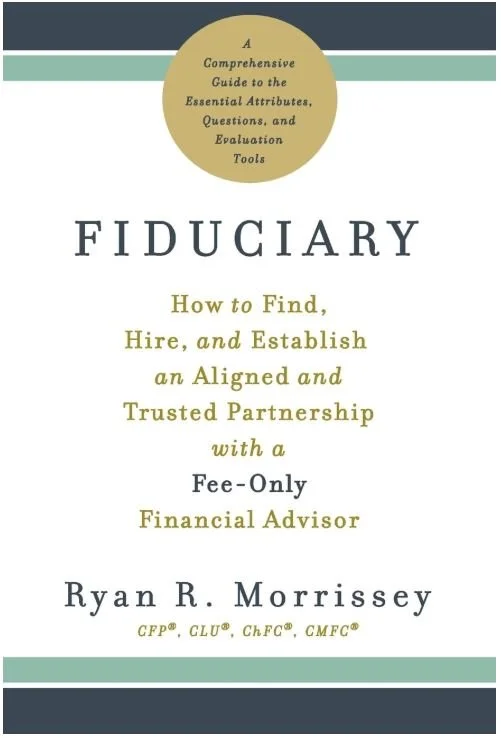
Click here to get your FREE electronic copy of:
Fiduciary - How to Find, Hire, and Establish an Aligned Trusted Partnership with a Fee-Only Financial Advisor
What Actually Happens If a Brokerage Firm Fails?
Suppose you woke up tomorrow and learned that a major brokerage firm had filed for bankruptcy.
What would likely happen?
Step 1: SIPC Steps In
The Securities Investor Protection Corporation (SIPC) oversees the liquidation process for failed brokerage firms.
Its role is to:
Protect customer assets.
Verify account records.
Help transfer customer accounts.
Assist investors during the transition.
Unlike FDIC insurance, SIPC protection is designed specifically for brokerage accounts—not bank deposits.
Step 2: Customer Assets Are Verified
A trustee would review the brokerage's records to confirm:
Customer securities are properly accounted for.
Assets remain segregated.
No fraud or shortages occurred.
Because customer assets are generally held separately, the process is primarily one of confirming ownership and account balances.
Step 3: Accounts Transfer to Another Brokerage
Once customer assets are verified, accounts are often transferred to another brokerage firm.
For example, your investments might simply move to another large custodian.
Typically:
Your account balances remain intact.
Your investments remain invested.
Your shares remain yours.
You regain access to your accounts after the transfer process is completed.
In many historical brokerage failures, this process has occurred relatively quickly.
What Is SIPC Protection?
SIPC protects customers when a brokerage firm fails financially and customer assets are missing.
Coverage generally includes:
Up to $500,000 per customer
Including up to $250,000 for uninvested cash balances
Many large brokerage firms also carry additional private insurance above SIPC limits, although these policies vary by firm and have their own terms and conditions.

Prefer to listen to my podcast on this topic? Click above.
What SIPC Does Not Cover
One important misconception is that SIPC protects against investment losses.
It does not.
SIPC does not reimburse investors for losses caused by:
Stock market declines
Poor investment performance
Bad investment decisions
If your investments lose value because the market falls, SIPC does not make you whole.
Its purpose is protecting customer assets if a brokerage firm fails—not protecting investment performance.
Could You Lose Money If Schwab or Fidelity Failed?
Your investments could certainly fluctuate because of market conditions.
For example:
If the financial markets experienced a severe decline that contributed to a brokerage firm's failure:
Your portfolio could decline in value.
Certain investments might perform poorly.
However, that would be due to market risk, not because the brokerage firm owned or confiscated your assets.
Your securities would still belong to you.
Should You Split Your Investments Between Multiple Brokerage Firms?
Some investors intentionally divide their assets among multiple custodians because they worry about brokerage failures.
While there's nothing wrong with maintaining accounts at multiple firms, many investors do so unnecessarily.
Keeping everything at one reputable brokerage often provides advantages such as:
Easier account management
Fewer online logins
Simpler tax reporting
Better portfolio oversight
More efficient beneficiary management
Ultimately, the decision comes down to personal preference rather than a necessity driven by brokerage safety concerns.

Final Thoughts
Hearing that a major financial institution has failed can understandably make investors nervous.
Fortunately, brokerage firms operate under a very different legal framework than banks.
Unlike bank deposits, your stocks, ETFs, mutual funds, and other investments generally remain your property and are required to be held separately from the brokerage firm's corporate assets.
If a large brokerage such as Fidelity or Charles Schwab were ever to fail, the most likely outcome would be an orderly transfer of your accounts to another brokerage—not the loss of your investments.
While no investment is immune from market risk, investors can take comfort knowing that brokerage firm failures and investment losses are two very different issues.
Understanding that distinction can help you stay focused on your long-term investment plan rather than reacting to alarming financial headlines.
Have a great week—and I’ll talk to you next Tuesday.
Written by Ryan Morrissey CFP®, CLU®, CHFC®, CMFC
Founder & Principal Advisor of Morrissey Wealth Management
Host of the Retire with Ryan Podcast
_________________________________________________________________________________________________________________
Frequently Asked Questions
Is my money safe at Fidelity or Charles Schwab?
Generally, yes. Customer securities are held separately from the brokerage firm's corporate assets and remain the property of the investor.
What is SIPC insurance?
The Securities Investor Protection Corporation (SIPC) helps protect customers if a brokerage firm fails and customer assets are missing. It is different from FDIC insurance for banks.
Should I spread my investments across multiple brokerage firms?
While some investors choose to do so, it's generally a matter of personal preference rather than a requirement for asset protection.